

Prof Julian Trollor AM
Director of the National Centre of Excellence in Intellectual Disability Health (AU)
Julian Trollor is a Scientia Professor, NHMRC Leadership Fellow and Director of the National Centre of Excellence in Intellectual Disability Health at UNSW Sydney.

Mary Freer
Founder, Compassion Revolution (AU)
Mary Freer is an author and the Founder of Compassion Revolution. She has worked closely with health improvement leaders across the world to bring about improvements to health and social care systems.

Ray Martin AM
Australian Journalist and TV Presenter (AU)
Ray Martin is an acclaimed Australian journalist and broadcaster whose career spans from ABC Radio in the 1960s to hosting flagship programs like 60 Minutes, The Midday Show, and A Current Affair, earning multiple Gold and Silver Logies. Honoured with an Order of Australia in 2011, he continues to shape Australian media.

Dr Debra Graves OAM
Author (AU)
Dr Debra Graves OAM is co-author of “To Dementia With Love” and previously the Chief Executive Officer of The Royal College of Pathologists of Australasia.
Dr Kathryn Mannix
Palliative Care Doctor

Dr Kathryn Mannix
Palliative Care Doctor (UK)
Dr Kathryn Mannix spent 30 years as a palliative care doctor and cognitive behaviour therapist before turning her attention to improving public understanding of dying. She lives with her husband and a small flock of chickens in the north-east of England. She laughs a lot. She is easily moved to tears by the extraordinary wonder of everyday life. And she’s not afraid of dying.
Dr Allen Power
Geriatrician

Dr Allen Power
Geriatrician (US)
Dr Allen Power is an internist, geriatrician, and Schlegel Chair in Aging and Dementia Innovation at the Schlegel-UW Research Institute for Aging in Ontario, Canada. He’s a vocal critic of the over-prescription of antipsychotic medications for people with dementia and advocates for alternative, person-centred approaches to care. In his spare time, he’s a singer/songwriter.
Ray Martin AM
Australian Journalist and TV Presenter

Ray Martin AM
Australian Journalist and TV Presenter (AU)
Ray began his career working for ABC radio in Sydney in 1965 and 1968 moved to New York where he worked as a correspondent for the ABC’s North American bureau for ten years. In 1978 Ray moved back to Australia to launch 60 Minutes with George Negus and Ian Leslie. In 1984, Ray hosted The Midday Show to be closer to home. There he won five Gold Logies, more than twenty Silver Logies. In 1994 Ray left The Midday Show for the first of two stints as host of A Current Affair before hosting The Ray Martin Show. His best-selling autobiography, Ray: Stories of My Life was published in 2009 and Ray Martin’s Favourites: The Stories Behind the Legends, was published in 2011.
He was awarded an Order of Australia in 2011 for his journalism, his work with indigenous Australians and his long involvement with charities. In 2024 Ray hosted a three part series on SBS titled "The Last Goodbye" where he takes an investigative deep dive into one of Australia's last taboos, death, as he plans his own funeral.

Wendy Hall
Founder, Dementia Doulas International
Wendy Hall
Founder, Dementia Doulas International (AU)
Wendy Hall is the managing director and founder of Dementia Doulas International, developing and training professional doulas to support and enable people living with dementia and their families. She is also a Registered Nurse, paramedic, dementia consultant and author.

Dr Sanka Amadoru
Geriatrician
Dr Sanka Amadoru
Geriatrician (AU)
Dr Sanka Amadoru is a geriatrician working across public hospitals, private clinics, and residential aged care facilities. He is a founding director and Chief Medical Information Officer (CMIO) at Aria Health. Sanka is deeply committed to improving the care of older people through his involvement in research and clinical trials, workforce training, advisory services in digital health to government and industry, and as an Elected Councillor and Company Director for the Australian and New Zealand Society for Geriatric Medicine.
.png)
Prof Craig Ritchie
CEO and Founder, Scottish Brain Sciences
Prof Craig Ritchie
CEO and Founder, Scottish Brain Sciences (UK)
Craig Ritchie is the CEO and Founder of Scottish Brain Sciences, as well as Professor of Brain Health and Neurodegenerative Medicine at the University of St Andrews. His main research interest is in the intersection between risk factors and early expression of neurodegenerative disease in preclinical populations. He established Scottish Brain Sciences as a Translational Medicine Organisation to accelerate the development of new tests and treatments for Alzheimer’s disease and to oversee their rapid implementation into clinical care. He is a pioneer and leading advocate for the Brain Health Movement that encompasses this translational work though also operating at a public health as well as personal level to prevent late stage neurodegenerative diseases manifesting. He has secured almost A$100M of research funding to date and published over 500 peer reviewed articles, abstracts and book chapters.
Mary Freer
Founder, Compassion Revolution
Mary Freer
Founder, Compassion Revolution (AU)
Mary Freer is the CEO of Compassion Revolution and author of the book Compassion Revolution: Start Now. Use What You Have. Keep Going. She has contributed to Australia’s health and social care system reform in a variety of executive and leadership roles over the last 30 years. Mary has worked closely with health improvement leaders in many countries across the world to bring about global improvements to our health and social care systems.
Jonathan de Jong
Filmmaker

Jonathan de Jong
Filmmaker (NLD)
Jonathan de Jong is a multi-award-winning documentary filmmaker and best-selling author from the Netherlands. His work is characterised by social and human stories that make a big impact every time. His latest film Human Forever is the most watched documentary of all time in Dutch cinema, has screened in 26 countries and was recently awarded the most prestigious Dutch Film Prize, The Golden Calf. Together with Teun Toebes, he co-authored the international bestselling book on dementia, The Housemates, which reached #1 in 14 countries. They recently followed up with their second compelling release, A World to Win.

Teun Toebes
Humanitarian Activist
Teun Toebes
Humanitarian Activist (NLD)
Teun Toebes began his career as a nurse, but was so moved by the way we treat people with dementia that, at the age of 21, he decided to move into the closed ward of a nursing home. He did this for three and a half years, during which time he formed valuable friendships with his housemates and learned lessons that he shared with the world in the bestseller 'The Housemates'. As a humanitarian activist and care ethicist, Teun is now committed to helping those we so often forget: people with dementia. Not only to give them a voice, but above all to improve the quality of life of everyone who has to live with a form of dementia. In his mission, he has gained many loyal followers online and offline and has become a global innovator in healthcare.
Linda Harrison
Director of Training and Capacity Building
Linda Harrison
Director of Training and Capacity Building (AU)
Linda Harrison is the Director of Training and Capacity Building at LGBTIQ+ Health Australia. In this role Linda has the privilege of working with LGBTI community members and organisations to address health and social inequities resulting from discrimination and stigma, including older LGBTI people accessing aged care services. Linda is passionate about playing a part in system improvement through participatory practice, relational leadership and the power of lived experience.
Craig Gear
CEO, Older Persons Advocacy Network
Craig Gear
CEO, Older Persons Advocacy Network (AU)
Craig Gear is the CEO of the Older Persons Advocacy Network. As a health care consultant with over 20 years’ experience in senior management and within the health sector, his goal is to work towards a better level of healthcare for all. Flowing from his background in nursing, he is passionate about connecting and improving the Australian health system.

Prof Julian Trollor AM
Director of the National Centre of Excellence in Intellectual Disability Health
Prof Julian Trollor AM
Director of the National Centre of Excellence in Intellectual Disability Health (AU)
Julian Trollor is a Scientia Professor, NHMRC Leadership Fellow and Director of the National Centre of Excellence in Intellectual Disability Health at UNSW Sydney. He was appointed a Member of the Order of Australia (AM) in 2025 for significant service to people with disability, particularly as a clinician and academic.
Dr Debra Scott
Palliative Care Staff Specialist
Dr Debra Scott
Palliative Care Staff Specialist (AU)
Dr Debra Scott is the palliative care and patient care advisor to the CJD Support Group Network Australia in a volunteer capacity. She is also a Palliative Care Staff Specialist in Western NSW Local Health District and a Senior Lecturer in Medicine with Charles Sturt University (Orange Campus). Debra has a special interest in prion disease after caring for a person with suspected CJD (later confirmed on neuropathology) when she was a GP registrar.
She is eager to promote awareness of this rare but devastating disease, where rapidly progressive dementia ensues, particularly advocating for awareness about the unique care considerations to provide holistic care to people suffering from this disease and to promote awareness of where families, care providers and health care practitioners can access support.
.png)
Dr Elie Matar
Neurologist
Dr Elie Matar
Neurologist (AU)
Dr Matar is an Australian-trained neurologist, sleep physician, and NHMRC funded clinician-scientist with a unique combination of clinical subspecialty expertise across sleep medicine, cognitive neurology, and movement disorders. He obtained his undergraduate and postgraduate qualifications through the University of Sydney and was awarded two University medals. He completed his foundational neurology and sleep training in Sydney which was developed further through competitive clinical national and international fellowships and clinical visitorships including Mayo Clinic (Rochester, MN), Cambridge University and Addenbrooke's Hospital (UK) and the National Hospital of Neurology and Neurosurgery (London, UK).
Through his early career he has advanced an internationally recognized body of research spanning basic science and clinical trials relating to conditions such as REM sleep behaviour disorder, Parkinson's disease, and Lewy body dementia on which he is a leading authority. He currently holds an academic position as a Horizon fellow at the University of Sydney, and a clinical role as neurologist and sleep physician based at Royal Prince Alfred Hospital, Camperdown.
Prof Susan Kurrle AO
Geriatrician
Prof Susan Kurrle AO
Geriatrician (AU)
Professor Susan Kurrle AO is a geriatrician based in Sydney and holds the Curran Chair in Health Care of Older People in the Faculty of Medicine and Health at the University of Sydney. Her research and practice interests centre on dementia, frailty, elder abuse, geriatric outreach services, successful ageing, and intergenerational programs, and her work focuses on translation of research into clinical practice. She is the current president of the Australian and New Zealand Society for Geriatric Medicine. In January 2023 she was appointed as an Officer of the Order of Australia for distinguished service to medicine as a geriatrician, and to research into dementia and cognitive function.

Marie Alford
General Manager, Growth and Innovation
Marie Alford
General Manager, Growth and Innovation (AU)
Marie Alford is the general manager of growth and innovation at HammondCare. She has led Dementia Support Australia, a national service supporting people with complex dementia and those who care for them. With a background in social work, advocacy, and leadership, Marie brings over 20 years’ experience in behaviour support, complex dementia, and inclusive, rights-based care. She is a member of the Department of Health, Aged and Disability Expert Advisory Group, with expertise in complex dementia, design, trauma, and supporting people from diverse life experiences. Marie is also a published writer and regular media contributor, passionate about elevating lived experiences.

Prof Christopher Poulos
Director, HammondCare Centre for Positive Ageing
Prof Christopher Poulos
Director, HammondCare Centre for Positive Ageing (AU)
As well as maintaining an active clinical practice, Chris oversees the clinical services and research activities of HammondCare’s Centre for Positive Ageing. The Centre strives to offer innovative services and undertake translational research that helps people make the most of their ageing experience, despite their limitations because of the health conditions that might be impacting them. There is a strong emphasis on the principles of rehabilitation, and strategies to maximise a person’s functional ability and quality of life, and on mental wellbeing.
Dr Debra Graves OAM
Author
Dr Debra Graves OAM
Author (AU)
Dr Debra Graves OAM is co-author of “To Dementia With Love”, a book which details her personal account of caring for her husband Don, who had dementia. Dr Graves was previously the chief executive officer of The Royal College of Pathologists of Australasia, a position she held for over 25 years. Dr Graves is passionate about encouraging others to have the confidence to carve their own pathway when caring for someone with dementia.
She took an unconventional approach to caring for her husband, as they still prioritised doing the things they enjoyed, including travelling, which is detailed in the book. She is chairman of the South Eastern Sydney Local Health District Medical and Dental Appointments Advisory Committee. She is also a board member of Mindgardens, the first translational research centre in Australia to focus exclusively on disorders that involve the brain, emotions, nervous system and thinking processes.
Dr Graves holds bachelor of medicine and bachelor of surgery degrees from the University of Queensland and a masters in health administration from the University of New South Wales. She is a fellow of the Royal College of Medical Administrators; a fellow of the Australian Institute of Company Directors; and an honorary fellow of the Royal College of Pathologists of Australasia. She is also an examiner for The Royal Australasian College of Medical Administrators.
Prof Anna Barker
Executive General Manager
Prof Anna Barker
Executive General Manager (AU)
A clinician by background, Professor Anna Barker is a registered physiotherapist with a special interest in ageing and complex care. She brings more than two decades of experience across health, aged care and health innovation, with a deep understanding of how to translate knowledge into practice. She has led large-scale innovation and research programs and is known for championing new models of digitally enabled care.
Anna joined HammondCare in July 2025 to lead Hammond Innovations, the engine room for research, innovation, philanthropy and translation of knowledge into practice to improve quality of life for people in need.
Jonathan Brown
Dementia advocate
Jonathan Brown
Dementia advocate (AU)
Jonathan Brown is a dementia advocate, speaker, and former senior mechanical engineer in the rail industry, where he held leadership roles across multinational organisations. Known for his calm, thoughtful leadership and strategic mindset, Jonathan built a successful corporate career before his life took an unexpected turn.
At the age of 55, Jonathan was diagnosed with early-onset dementia - a moment he and his family describe as both confronting and, in many ways, a relief after a long period of uncertainty. A devoted husband to Sophie and father of three daughters, Jonathan brings a deeply personal and human perspective to his advocacy, grounded in what matters most: family, connection, and living well in the present.
Since his diagnosis, Jonathan has chosen to use his voice to help others better understand dementia, challenge stigma, and encourage earlier diagnosis and more open conversations around brain health. He is passionate about helping people see beyond the diagnosis and focus on what is still possible.
Together with his wife Sophie, Jonathan is an active advocate with Dementia Australia and a committee member of the St George and Sutherland Dementia Alliance. He has contributed to national awareness campaigns, media features, and research advocacy, including work with the St George & Sutherland Medical Research Foundation (SSMRF).
Jonathan’s story has been featured across major media platforms including Dementia Australia, News.com.au, and The Senior, as well as national campaigns such as Think Again. Through interviews, video storytelling, and public speaking, he brings a unique perspective that bridges lived experience with a professional background in leadership - connecting with families, communities, and industry audiences alike.
Recognised within his community, Jonathan was acknowledged through the 2026 Sutherland Shire Citizen of the Year Awards, reflecting his commitment to making a meaningful difference.
Jonathan continues to use his platform to advocate for greater awareness and a more compassionate, human approach to dementia - inspiring others to navigate the journey with dignity, understanding, and hope.
Michelle Steele
Chief First Nations officer
Michelle Steele
Chief First Nations officer (AU)
Michelle is a Gomeroi Yinarr from Moree, NSW, and is the Chief First Nations Officer at the Paul Ramsay Foundation. Prior to joining PRF, Michelle worked in the public sector for more than 18 years, leading in key policy areas delivering for Aboriginal and Torres Strait Islander peoples.
She is also a Hands Across Canberra and ACT Chief Minister’s Charitable Foundation Board member and an inaugural Fellow of the Atlantic Fellows for Social Equity program, an Indigenous-led lifelong collaborative fellowship program and platform for systemic change. Michelle is an award winning and nominated Executive Master of Business Administration (QUT, 2022).
Michelle joins us with a passion for dementia awareness and advocacy, where members of her own family have been deeply impacted. She is a founding Board Member of the Walking the Talk for Dementia Institute, the first and only immersive experience designed for a mixed audience of people living with dementia, care partners, researchers, clinicians, advocates, and artists — united by a shared commitment to change.
Steve Wright
Dementia advocate
Steve Wright
Dementia advocate (AU)
Steve Wright is a Vietnam Veteran, former paymaster, insurance branch manager and tax accountant, whose life has been shaped by devotion to family, community and his beloved wife, Dianne.
More than 50 years ago, while awaiting deployment to Vietnam, Steve attended a dance in Brisbane and from across the room, saw what he still describes as “the most beautiful girl in the world.” They met again by chance two weeks later outside another dance hall, and from that moment Steve and Dianne were rarely apart, after just 22 hours of being together, Steve proposed to Di, and she said yes. He then went overseas to serve in Vietnam for 12 months with no contact other than letters. Married for 54 years, they raised three daughters and built a life filled with love, laughter, family, commitment and service.
In the early 2000s, Steve began noticing changes in Dianne’s memory. After years of searching for answers and advocating for proper assessment, Di was finally diagnosed with early onset Alzheimer’s disease in 2016. Steve retired from full-time work to care for her and later became her full-time, 24-hour carer as the disease progressed until Di’s passing.
Through their experience, Steve became a passionate advocate for people living with dementia and for carers. Drawing on both heartbreak and hope, he has worked with Dementia Australia, Dementia Support Australia, the Wicking Dementia Centre, Uniting AgeWell and community organisations to raise awareness, improve dementia friendly environments and support better respite and education services for carers and families.
Steve has shared his story through national media, professional conferences, community forums, parliamentary events and meetings with health ministers and policy leaders. His advocacy has included appearances on Weekend Sunrise, presentations to healthcare professionals and participation in major dementia education and support initiatives across Tasmania and Australia.
Despite the recognition, Steve still describes himself simply as “an ordinary bloke doing the best he can.” He enjoys walking, music, theatre and family and he continues to honour Di’s memory by advocating for dignity, compassion and better support for all those impacted by dementia.
Robyn Rex
Dementia advocate and volunteer
Robyn Rex
Dementia advocate and volunteer (AU)
Robyn Rex is a dementia advocate and volunteer who sits on a variety of dementia committees and has participated in over 25 dementia research programs. She is eager to share how she lives with Alzheimer’s disease and how it is progressing more slowly than expected. Robyn received an early diagnosis seven years ago and began medication for Alzheimer's disease two years ago.
Her family and work life have provided her with great joy, including her 4 adult children and 10 gorgeous grandchildren. A career in early childhood fuelled a fascination with the way babies and young children develop and learn. Dementia has been embedded in her family with her great grandmother, grandfather and mother also experiencing it. As well as her advocacy work, Robyn volunteers at HammondCare Erina twice a week.

Dr David Foxe
Neuropsychologist
Dr David Foxe
Neuropsychologist (AU)
Dr David Foxe is a clinical neuropsychologist and researcher at the Brain and Mind Centre, University of Sydney. He has over 15 years’ experience in dementia research, with a focus on rare and younger onset conditions, including frontotemporal dementia, atypical Alzheimer’s disease, and related disorders. His work has advanced understanding of the cognitive, behavioural, and functional features of these syndromes, and improved recognition of these conditions in clinical practice. His work also addresses the clinical management of dementia and the information and support provided to people living with these conditions and their families.
Concurrent speakers
Dr Isabelle Meyer
Executive director
Dementia Training Australia (Australia)
Dr Isabelle Meyer
Executive director
Dementia Training Australia (Australia)
Presenting in:
Day 2 Concurrent Stream DIsabelle Meyer joined Dementia Training Australia as executive director in February 2023. She brings her extensive experience as a senior executive in the health and education sectors managing delivery of services around Australia. Following a decade in academia, she has been an advisor to the Australian Commonwealth Government, the WHO and World Bank, as well as major health providers. Isabelle has led a diverse range of transition and service reform initiatives, including emergency patient transport, maternal health, Indigenous health, mental health support, palliative and end-of-life care and residential health care as well as service transition for NDIS and community aged care services and vocational education programs. She is a specialist in organizational, service and system design. Her previous executive roles have included deputy chief procurement officer for NSW Health, the CEO of Southern Metropolitan Cemeteries NSW, general manager for the College of Engineering and Computer Science at the Australian National University, chief of staff and senior advisor, and director of social policy in the Department of Prime Minister and Cabinet. Isabelle is dedicated to improving the health and wellbeing of people living with dementia and the staff who support them.
Paul Colley
Director
HOMELife Technology (Australia)
Paul Colley
Director
HOMELife Technology (Australia)
Presenting in:
Day 1 Concurrent Stream BPaul Colley is director of HOMELife Technology, a company committed to practical, dignity-centred innovation for people living with dementia. With an extensive background introducing cutting-edge technologies for global leaders Sony and Samsung, Paul has spent decades at the intersection of technology and everyday living. His lived experience supporting his mother with dementia became the catalyst for founding HOMELife Technology, where he now leads the global sourcing and development of simple, easy-to-use, high-impact solutions that support independence, safety and wellbeing at home. Paul focuses on technologies that reduce risk and enhance daily life without adding complexity.
Kate Colley
Aged care and dementia specialist
HOMELife Technology (Australia)
Kate Colley
Aged care and dementia specialist
HOMELife Technology (Australia)
Presenting in:
Day 1 Concurrent Stream BKate Colley is a registered nurse with over 30 years’ experience specialising in aged care, community care, dementia and palliative care. She is passionate about holistic practice and creating environments where psychosocial, cultural and spiritual needs are recognised and supported. As co-founder of HOMELife Technology and an aged care and dementia specialist, Kate translates evidence-based care into simple, person-centred solutions that promote dignity, independence and meaningful connection in everyday homes.
Kathleen Bright
Practice development lead
Anglicare Southern Queensland (Australia)
Kathleen Bright
Practice development lead
Anglicare Southern Queensland (Australia)
Presenting in:
Day 1 Concurrent Stream AKathleen Bright is a proud Kamilaroi woman and an accomplished Nurse with over 25 years of experience, specialising in aged care with dementia care. Throughout her extensive career, Kathleen has been a passionate advocate for the profound importance of genuine person-centred care. Her work focuses on moving beyond clinical compliance to establish deep, meaningful connections that honour the resident's history and cultural identity.
Dr Rachael Cvejic
Senior research fellow
UNSW (Australia)
Dr Rachael Cvejic
Senior research fellow
UNSW (Australia)
Presenting in:
Day 1 Concurrent Stream FRachael Cvejic is a registered psychologist and Senior Research Fellow working at the National Centre of Excellence in Intellectual Disability Health, UNSW Sydney. She is leading a program of work that aims to improve support for people with intellectual disability living with dementia.
Rose Sexton
Aged and disability liaison nurse
Northeast Health (Australia)
Rose Sexton
Aged and disability liaison nurse
Northeast Health (Australia)
Presenting in:
Day 1 Concurrent Stream ARose Sexton has worked in rural health since the mid 90s, in aged, acute, and urgent care, and holds postgraduate qualifications in palliative care. In 2021, she joined the team at Northeast Health in Wangaratta, Victoria. Alongside her clinical work with the community palliative care team, she job-shares with Sam Moorhouse, providing education and support to aged care workers and disability support workers across the Hume region.

Dr Madeleine Healy
Geriatrician
Dementia Support Australia (Australia)
Dr Madeleine Healy
Geriatrician
Dementia Support Australia (Australia)
Presenting in:
Day 1 Concurrent Stream FMadeleine Healy is a geriatrician and medical specialist at Dementia Support Australia. She is the clinical lead at the Monash Health Cognitive Dementia and Memory Service. Madeleine is completing a PhD through Monash University in improving dementia assessment and management for people with Down syndrome, and is an adjunct senior lecturer at Monash University. In 2024, Madeleine completed a Churchill Fellowship visiting overseas excellence supporting people living with Down syndrome and dementia, in the UK, US and Europe. She also works in clinical trials in Alzheimer Disease for Hammond Innovations.

Dr Amy Montgomery
Postdoctoral research fellow
UTS (Australia)
Dr Amy Montgomery
Postdoctoral research fellow
UTS (Australia)
Presenting in:
Day 1 Concurrent Stream EAmy Montgomery is a postdoctoral research fellow at the University of Technology Sydney and an aged care nurse practitioner with clinical expertise in delirium, dementia and aged care. Amy has a 17-year nursing career with roles across residential, community, and acute aged care, making significant contributions to improving the health and wellbeing of older people. A career highlight of is that she successfully established and led a post-diagnostic memory clinic at University of Wollongong, Enhance, which delivers rehabilitation and reablement interventions for people living with dementia and their carers. Amy is currently conducting research into the use of virtual reality therapy for people with dementia during their hospital admission.
Lara Calder
Architect
Calder Flower Architects (Australia)
Lara Calder
Architect
Calder Flower Architects (Australia)
Presenting in:
Day 1 Concurrent Stream ELara Calder is a registered architect, registered design practitioner, and the managing director and nominated architect of Calder Flower Architects in Sydney. She leads a commercial architectural practice committed to delivering high‑quality built environments while navigating the evolving challenges of society, economic change, technological innovation and sustainability. With a strong focus on seniors living and community housing, Lara and her team share a genuine passion for creating environments that support wellbeing, dignity and quality of life. She believes that good architecture should always serve a practical purpose, yet still has the power to make the mundane special and the special unique. Lara’s commitment to aged and dementia care design extends beyond Australia. Over the past three years, she has undertaken extensive research overseas, travelling to Paris, Norway, Copenhagen, Portugal and Spain to study diverse aged‑care typologies and international approaches to care environments.
Shelly Fletcher
Chief strategy and growth officer
Honey Bee Homes (Australia)
Shelly Fletcher
Chief strategy and growth officer
Honey Bee Homes (Australia)
Presenting in:
Day 2 Concurrent Stream EShelly Fletcher is the chief strategy and growth officer at Honey Bee Homes where she is able to deliver on her passion to reimagine aged care. With over 15 years experience in roles from critical care registered nurse to senior policy and programs leadership, Shelly brings a unique blend of clinical insight and system-level expertise to her work. Shelly is known for developing high impact social campaigns that shift public perception including Wheel.I.Am and Ask Gran Not Google. Both campaigns received critical acclaim and national media coverage on programs like Channel 7’s Sunrise, Channel 10’s The Project and the ABC.
Briget Kelly
End-of-life doula
Rhiannon's Service (Australia)
Briget Kelly
End-of-life doula
Rhiannon's Service (Australia)
Presenting in:
Day 2 Concurrent Stream BBriget Kelly is a recreational therapist, end-of-life doula, and the creator of a program called ‘Life Story Sessions’. With a focus on quality of life, Briget has supported people in various community service roles, working with people with disability, older people, and people with dementia. As an unpaid carer, she has cared for family members with cancer, mental health, ageing, and dementia. Favouring a holistic philosophy, Briget’s university degree allows her to qualify as a recreational therapist, although she has also applied her knowledge in the public service working on national health surveys that inform funding and services for ageing, disability, carers, and First Nations people. Briget's professional skills and experience are underpinned by unique personal health challenges which help her to empathise with people experiencing loss and grief. In 2020, she answered a calling to work with people at the end of life and started her small business, Rhiannon’s Service. While developing her ‘Life Story Sessions’ program, Briget developed a deep understanding of the importance of story and storytelling for healing and humanity. She believes there is a strong connection between storytelling and quality of life; and that valuing story and enabling storytelling is essential for truly person-centred care.
Caitlin Masters
Living sector lead
Bickerton Masters (Australia)
Caitlin Masters
Living sector lead
Bickerton Masters (Australia)
Presenting in:
Day 2 Concurrent Stream ECaitlin is a Principal and Living Sector Lead at Bickerton Masters Architecture (BM_), recognized for her leadership in designing health and aged care environments that prioritize dignity and wellbeing. She brings international social housing and seniors living experience, and advises national care providers on strategies for dementia-inclusive facilities. Caitlin champions evidence-based, person-centred design, ensuring spaces meet complex clinical needs while fostering comfort and connection. Her collaborative approach and commitment to innovation position her as a thought leader shaping the future of health and aged care design.
A/Prof Imogen Clark
Music therapist
University of Melbourne (Australia)
A/Prof Imogen Clark
Music therapist
University of Melbourne (Australia)
Presenting in:
Day 1 Concurrent Stream EImogen Clark is a registered music therapist at the University of Melbourne, specialising in music therapy for ageing populations, with a particular focus on individuals living with dementia and their families. Her work is deeply informed by personal experience, caring for her father who lives with dementia. This intimate understanding of the challenges faced by both patients and caregivers profoundly influences her approach to research and practice. Imogen's recent research explores the transformative power of therapeutic song writing as a unique avenue for creative expression among people living with dementia. Her innovative work continues to shape the field of music therapy, offering new insights into how music can enhance the quality of life for those affected by dementia.
Joanne Wagner
Nurse lead, aged care
Australian Nursing and Midwifery Federation (Australia)
Joanne Wagner
Nurse lead, aged care
Australian Nursing and Midwifery Federation (Australia)
Presenting in:
Day 1 Concurrent Stream GJoanne Wagner is the nurse lead for aged care, and is responsible for aged care policy, research and professional practice for the Australian Nursing and Midwifery Federation. She has also worked in senior leadership roles in the aged care sector.
Larissa McIntyre
Nurse practitioner
Catholic Healthcare (Australia)
Larissa McIntyre
Nurse practitioner
Catholic Healthcare (Australia)
Presenting in:
Day 2 Concurrent Stream ALarissa McIntyre has been a registered nurse for 35 years and has worked across multiple sectors in clinical, research and management roles; spending the last 22 years in aged care. Currently, Lara is a nurse practitioner - palliative care aged care, and is the senior palliative care lead for a large not–for–profit aged care organisation in NSW. Lara has a passion for palliative care and advanced care planning and is a currently a member of the Aged Care Research and Industry Innovation Australia (ARIIA) Advisory Group and Agency for Clinical Innovation (ACI): End of Life and Palliative Care Executive Committee and is Chair – Palliative Aged Care Network. Lara is committed to working towards better palliative care and end-of-life outcomes, especially for older people. To ensure her practice is relevant, Lara has committed to lifelong learning and along with her undergraduate qualifications, Lara also holds a graduate diploma in applied epidemiology and research, and master’s degrees in public health, health administration, palliative care and nurse practitioner. In her downtime Lara is an active member of her local Surf Life Saving Club and enjoys spending time with her family including their three dogs and cat.
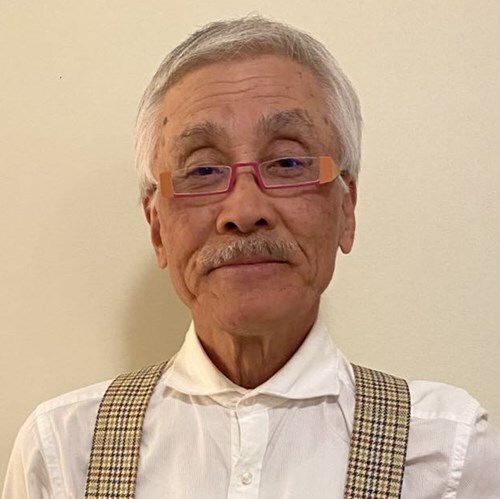
Yoshiharu Masuda
Former professor
Nagoya Gakuin University (Japan)
Yoshiharu Masuda
Former professor
Nagoya Gakuin University (Japan)
Presenting in:
Day 1 Concurrent Stream AYoshiharu Masuda is a former professor at the faculty of rehabilitation sciences, Nagoya Gakuin University, and an independent practitioner specialising in gramophone-based music therapy and performance for older adults, including those living with dementia. His work explores the therapeutic role of analog sound, tactile engagement, and slow listening rituals. Masuda has published on gramophone acoustics and cultural listening, including “On the Difference of an Iron and a Bamboo Needle” (2006), “Was Nipper Listening to His Master’s Voice?” (2015), and “Building Power to Heal Thyself” (EMTC 2016). He continues to develop low-tech, high-impact approaches through individual and group sessions in Sydney.
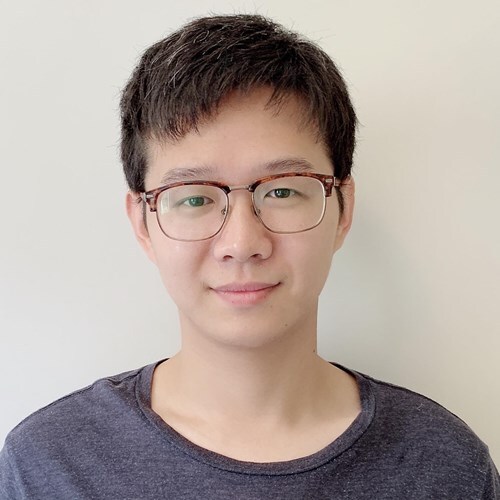
Zhengyao Guo
Music therapist
University of Melbourne (Australia)
Zhengyao Guo
Music therapist
University of Melbourne (Australia)
Presenting in:
Day 2 Concurrent Stream BZhengyao Guo is an experienced music therapist based in Melbourne, Australia, and a current graduate researcher at the University of Melbourne. His PhD project focuses on music therapy in multicultural contexts for culturally minoritised individuals with dementia and their family carers. His research approach is informed by critical theory that explores the issue of power relations in society and seeks to contribute to social change.
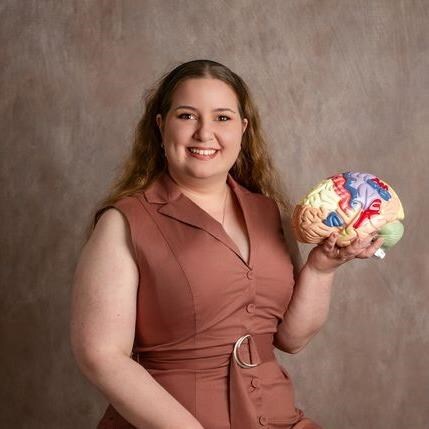
Georgina Osborne
Gerontological registered nurse
University of Southern Queensland (Australia)
Georgina Osborne
Gerontological registered nurse
University of Southern Queensland (Australia)
Presenting in:
Day 1 Concurrent Stream DGeorgina Osborne is a gerontological registered nurse and qualitative researcher undertaking her PhD at the University of Southern Queensland. Her current work is focused on exploring the development of psychotropic consent tools to support informed consent activities, increase consumer and clinician capacity for resident advocacy, and improve psychotropic and restrictive practice literacy. She is experienced across a range of roles within the residential aged care setting and brings a unique perspective to her work from a career built in rural and remote settings.

Dr Louisa Smith
Sociologist
Deakin University (Australia)
Dr Louisa Smith
Sociologist
Deakin University (Australia)
Presenting in:
Day 1 Concurrent Stream GLouisa Smith is a sociologist with over 15 years’ experience conducting inclusive research with people with disability and dementia. Louisa has led a wide range of projects, including many that use ethnography, arts based and participatory approaches that ensure the involvement of people living with dementia throughout the research process. She has published widely in this space and is recognised nationally and internationally for her innovative work.
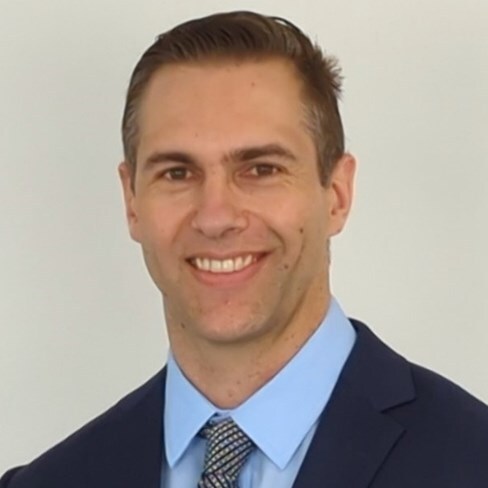
A/Prof Nathan D'Cunha
Dementia and cognition lead
University of Canberra (Australia)
A/Prof Nathan D'Cunha
Dementia and cognition lead
University of Canberra (Australia)
Presenting in:
Day 1 Concurrent Stream GNathan D’Cunha is an associate professor in human nutrition, ACT health research and innovation fellow focused on dementia rehabilitation, and the dementia and cognition theme lead in the Centre for Ageing Research and Translation. Nathan’s work is focused on people with dementia and their care partners, spanning reablement and rehabilitation interventions for people living in the community and residential care. This includes the development and evaluation of a ten-week comprehensive multicomponent allied health intervention which has achieved federal funding in the ACT and is now expanding into NSW. Nathan has contributed to work to improve models of care for people with young onset dementia and people with changed behaviour. He also leads projects focused on intergenerational programs which brings together older and younger people. He is the Australian Association of Gerontology ACT Division chair and co-deputy chair of the ACT Ministerial Advisory Council on Ageing. Nathan has previously held positions working in residential care and pathology.
Christina Wyatt
Professional practice advisor
Occupational Therapy Australia (Australia)
Christina Wyatt
Professional practice advisor
Occupational Therapy Australia (Australia)
Presenting in:
Day 1 Concurrent Stream EChristina Wyatt has been an occupational therapist for over 20 years with clinical experience in Australia and the UK focusing on adult rehabilitation, disability, and aged care. After obtaining her master's of public health in 2013, Christina shifted her focus to aged care, working in community health and research, contributing to a randomized controlled trial addressing falls prevention in older Australians presenting at emergency departments. Christina currently works as professional practice advisor at Occupational Therapy Australia with a dedicated focus on aged care. She actively engages with government and stakeholders, advocating for enhanced occupational therapy involvement in aged care. Supporting her professional peers in the sector, Christina provides valuable clinical and professional advice as part of the professional practice team within Occupational Therapy Australia.

Sarah Rahimaly
Occupational therapist
Université De Sherbrooke (Canada)
Sarah Rahimaly
Occupational therapist
Université De Sherbrooke (Canada)
Presenting in:
Day 1 Concurrent Stream BSarah Rahimaly is an occupational therapist who completed a master's in gerontology and now completing her PhD in gerontology at Université de Sherbrooke, in Canada. As part of her master's degree, she studied the adaptation of small-scale approaches to the Quebec context. Her doctoral project will help support care teams for the implementation care and organisational practices within residential resources offering long-term care to people living with a major neurocognitive disorder, to support the engagement of residents in meaningful activities.
Agnieszka Chudecka
Researcher, language reversion in dementia
Flinders University (Australia)
Agnieszka Chudecka
Researcher, language reversion in dementia
Flinders University (Australia)
Presenting in:
Day 2 Concurrent Stream GAgnieszka Chudecka is a PhD candidate at Flinders University, researching language reversion in dementia and its impact on communication, autonomy, and culturally responsive care. Her work explores how evolving care needs intersect with ageing in place, supported by family and chosen networks in collaboration with health and social care systems. With over a decade of experience in aged care and multicultural health, Agnieszka leads systemic advocacy through the PICAC Alliance and contributes to national reform. She bridges research and practice to promote inclusive, rights-based dementia care for ethnically diverse communities - advancing models relevant to both Australian and global contexts.

A/Prof Anita Goh
Director of social gerontology
National Ageing Research Institute (Australia)
A/Prof Anita Goh
Director of social gerontology
National Ageing Research Institute (Australia)
Presenting in:
Day 2 Concurrent Stream FAssociate professor Anita Goh (MAPS, FCCN) is a clinician-researcher with expertise in mental health, cognition, ageing, and dementia, and a focus in effective translation of evidence into policy and practice. Anita is a clinical neuropsychologist and a principal researcher at the National Ageing Research Institute, where she is currently director of social gerontology. In addition to her research, Dr. Goh is actively involved in the governance, oversight and strategic planning in various professional organisations. She serves as a board director and fellow of the Australian Association of Gerontology; and is a councillor at the Royal Society of Victoria.
Ann Way
PhD candidate
University of Auckland (New Zealand)
Ann Way
PhD candidate
University of Auckland (New Zealand)
Presenting in:
Day 2 Concurrent Stream BAnn Way is a PhD candidate in the School of Psychology at the University of Auckland, investigating the role of dance movement therapy (DMT) in reducing dementia risk for people living with mild cognitive impairment (MCI). Her research examines DMT as a psychotherapeutic approach to providing care and support to individuals living with mild cognitive impairment (MCI) who are at higher risk of developing dementia-related diseases. This project has been supported by the Dementia Prevention Research Clinics (DPRC), the 2025 Hanny Exiner Memorial Foundation (HEMF) Research Grant, the Kate Edger Foundation First-Year Doctoral Award, and the Graduate Women New Zealand Fellowship. She is a registered dance movement therapist, psychoeducator, wellbeing facilitator, and clinical DMT supervisor, and a professional member of the Dance Movement Therapy Association of Australasia (DTAA). Ann holds an MFA in fine arts (performance and installation) from the University for the Creative Arts (UK) and an MSc in psychology with first class honours from the University of Auckland. Her work brings together fine arts and psychology to drive personal growth through creative thinking, evidence‑based practice, and innovative technology.
Benjamin Hayward Segal
Creative arts teaching artist
Creative Arts 4 Good (Australia)
Benjamin Hayward Segal
Creative arts teaching artist
Creative Arts 4 Good (Australia)
Presenting in:
Day 1 Concurrent Stream DBen Segal is a creative arts teaching artist and operatic singer specialising in therapeutic, interactive arts in healthcare, dementia and mental health settings. With over 25 years’ experience, he designs and delivers person-centred programmes that use song, movement, storytelling and visual arts to support connection, memory and emotional wellbeing. Trained at London’s Guildhall School of Music & Drama (MMus, Performance & Community Arts Engagement), he leads Creative Arts 4 Good projects in hospitals, palliative care and community services, collaborating with clinical teams, families and carers to create dignified, uplifting moments for people living with dementia and other complex health needs.
Caroline Bartle
Director, Dementia Learning Centre
Alzheimers New Zealand (New Zealand)
Caroline Bartle
Director, Dementia Learning Centre
Alzheimers New Zealand (New Zealand)
Presenting in:
Day 2 Concurrent Stream ACaroline Bartle is director of the Dementia Learning Centre at Alzheimers New Zealand. With over three decades of experience in health and social care, she leads national programmes that connect workforce development, technology, and innovation in dementia practice. Her doctoral research explores how digitally mediated epistemic practices shape organisational learning in dementia care, examining the interplay between data, technologies, and everyday work. Caroline’s work sits at the intersection of practice, research, and design advocating for learning systems that are relational, adaptive, and future-focused. She is passionate about technologies that amplify human insight and create more compassionate, connected models of care.
Corina Dutlow
CEO
Australian-Filipino Community Services (Australia)
Corina Dutlow
CEO
Australian-Filipino Community Services (Australia)
Presenting in:
Day 2 Concurrent Stream ECorina Dutlow is the CEO of the Australian Filipino Community Services (AFCS) and has led the expansion of resources and service access for ageing Filipinos across Victoria over the past eight years. Her leadership has advanced equitable, culturally appropriate aged care that promotes reablement and quality of life. Corina pioneered the Maharlika Lodge™ Respite Home, a three year initiative funded by the department of health, disability and ageing. This innovative model has delivered culturally specific overnight care to hundreds of people living with dementia and their carers, with most experiencing formal respite for the first time through the Lodge.
Daphne Wootton
Practice innovation lead
Endeavor Foundation (Australia)
Daphne Wootton
Practice innovation lead
Endeavor Foundation (Australia)
Presenting in:
Day 1 Concurrent Stream FDaphne Wootton is practice innovation lead – clinical services at Endeavour Foundation and a PhD candidate in psychology at the University of Queensland. Daphne’s research focuses on cognitive ageing and the social determinants of healthy, connected later life. In her role at Endeavour, she leads practice development projects that promote successful ageing for people with disability, including those at risk of or living with dementia. Her work spans co-designed training, service enhancement, and the translation of research into practical tools that enable support workers to foster wellbeing, autonomy, and community inclusion.
David Pech
Inclusion project officer
Council for Intellectual Disability (Australia)
David Pech
Inclusion project officer
Council for Intellectual Disability (Australia)
Presenting in:
Day 1 Concurrent Stream FDavid Pech is an inclusion project officer at the Council for Intellectual Disability and has had the privilege of working with and for people with disability for more than 12 years. David has been especially proud of the work he has undertaken in close collaboration with people with disability. He is committed to the values of diversity, connection, and person‑centred practice.
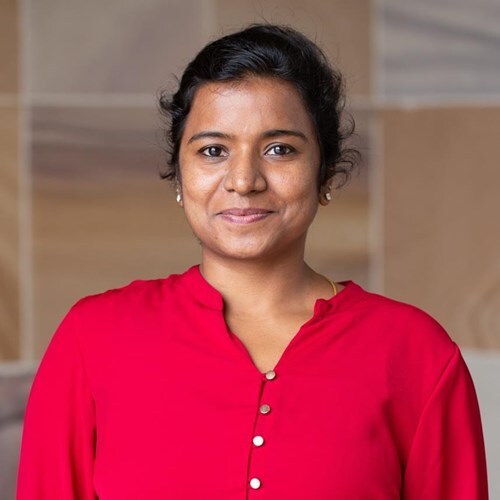
Divya Anantharaman
Senior research assistant
University of Queensland (Australia)
Divya Anantharaman
Senior research assistant
University of Queensland (Australia)
Presenting in:
Day 2 Concurrent Stream CDivya is a doctoral student at the University of Queensland. Her PhD focuses on identifying key leverage points to drive systemic change and improve hearing and vision care outcomes in aged care settings. An optometrist by background with over 11 years of experience, she values interdisciplinary care and is passionate about driving change and contributing to better care for older adults. Her current research interests span qualitative research and implementation science.
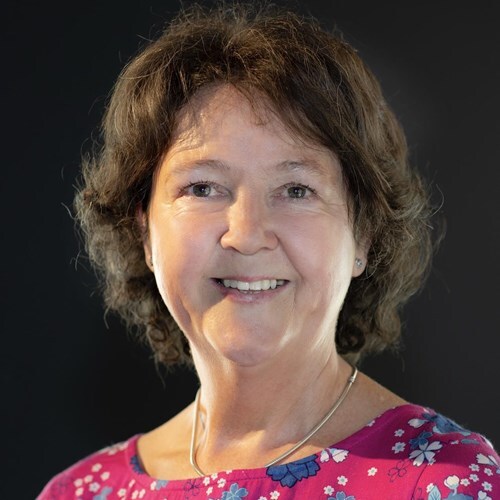
Dr Frances Duffy
Consultant clinical psychologist
6D-Dementia (Northern Ireland)
Dr Frances Duffy
Consultant clinical psychologist
6D-Dementia (Northern Ireland)
Presenting in:
Day 1 Concurrent Stream GDr Frances Duffy is a consultant clinical psychologist, NHS clinical entrepreneur fellow, and founder and CEO of 6D Dementia. She is passionate about transforming dementia care so people can live with dignity, independence, and connection. With over 15 years’ experience in dementia diagnosis, post-diagnostic support, and delirium rehabilitation. 6D equips staff and families with evidence-based skills to respond with empathy, confidence, and consistency. Its blend of online modules, care-planning tools, and leadership support is designed to strengthen practice, reduce reliance on crisis-driven responses, and support stable living arrangements. It also aims to build workforce resilience by lowering stress and turnover and improving retention. The approach is designed to deliver benefits for organisations while improving quality of life for people with dementia and families. Frances works with NHS trusts, local authorities, and care providers to embed sustainable approaches to dementia care. She has authored best-practice guidelines for the Public Health Agency and the British Psychological Society, contributed to the Northern Ireland Regional Dementia Care Pathway, and supported the Department of Health’s Enhancing Clinical Care in Care Homes project. She serves on national committees of the British Psychological Society and the Association of Clinical Psychologists, championing innovation and excellence in dementia care.
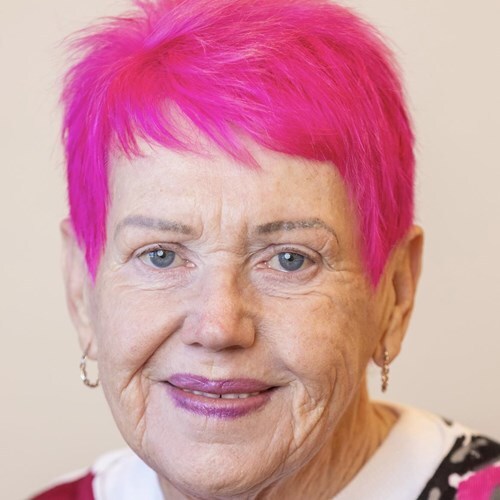
Gwenda Darling
Lived experience speaker
(Australia)
Gwenda Darling
Lived experience speaker
(Australia)
Presenting in:
Day 1 Concurrent Stream AGwenda was diagnosed with younger onset frontotemporal dementia over 14 years ago. Despite changes in her brain, she believes in the power to build new neural pathways and openly shares her experiences to support others. Her advocacy promotes acceptance and resources that help people with dementia live well at home. Gwenda serves on the Council of Elders, OPAN’s national Older Persons Reference Group, Dementia Australia Advisory Group, Aged Care Quality and Safety Consumer Advisory Group, and NARI’s Community Advisory Panel. Through these roles, she informs research and policy while living independently with the support of her assistance dog, Ms Redleigh.
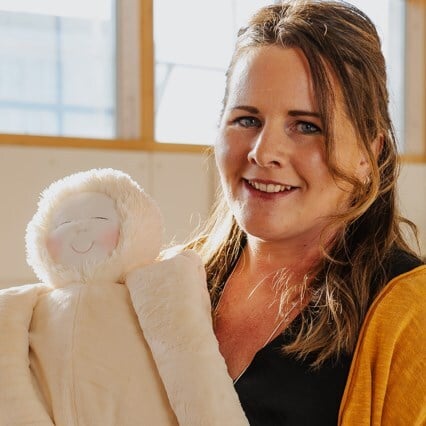
Dr Jac Fennell
Research director and senior lecturer
HUG by LAUGH (United Kingdom)
Dr Jac Fennell
Research director and senior lecturer
HUG by LAUGH (United Kingdom)
Presenting in:
Day 2 Concurrent Stream GJac is senior lecturer at UWE Bristol and research director of HUG by LAUGH. She is passionate about research that helps to design a better world for people and co-designs sensory products to positively benefit people's wellbeing. One product, HUG, that she developed with colleagues at Cardiff Met University, in collaboration with NHS, care homes, charities and people living with dementia, has been evaluated with great success showing it has significant impact on a person’s wellbeing. In partnership with Alzheimer’s Society, it’s sold across the world through their spin-out HUG by LAUGH, bringing comfort and joy to thousands of people.
Karn Nelson
EGM consumer and positive ageing
Whiddon (Australia)
Karn Nelson
EGM consumer and positive ageing
Whiddon (Australia)
Presenting in:
Day 2 Concurrent Stream FKarn Nelson has worked at Whiddon for more than 10 years and chairs Whiddon’s research and positive ageing hub. Whiddon works with many partners, innovating in the wellbeing and reablement space and improving quality of life for people living with dementia and palliating. Karn is responsible for the development of Whiddon’s MyLife relationship- based care model, as well as several other award winning and evidence-based wellbeing programs. She prepared the submission to the royal commission when Whiddon was invited to give evidence as an exemplary organisation for its holistic and relationship- based care approach.
Dr Lindsey Brett
Postdoctoral research fellow
Hammond Innovations (Australia)
Dr Lindsey Brett
Postdoctoral research fellow
Hammond Innovations (Australia)
Presenting in:
Day 2 Concurrent Stream FDr Brett is a post-doctoral research fellow within the team at Hammond Innovations. She is an adjunct lecturer at UNSW, honorary lecturer at Macquarie University, and collaborator of ADHERe. Lindsey is a physiotherapist and researcher, who has trained and worked in a variety of clinical and academic settings in Australia and the UK over the last 15 years. Both her research and clinical interests have focused on gerontology, falls, physiotherapy and dementia.
Kassandra Wood
Program manager, seniors mental health
Providence Care Hospital (Canada)
Kassandra Wood
Program manager, seniors mental health
Providence Care Hospital (Canada)
Presenting in:
Day 1 Concurrent Stream BKassandra Wood is a registered nurse with a bachelor of science in nursing from Laurentian University and a master of nursing from Athabasca University. She currently works as a program manager in seniors mental health, leading initiatives that improve care for older adults, particularly those living with dementia and experiencing BPSD. Kassandra is dedicated to continuous learning and advancing person-centred, evidence-informed practices across the continuum of care. Her professional interests include non-pharmacological interventions, staff education, and system-level improvements that promote dignity, safety, and meaningful engagement for seniors living with dementia.
Meghan Brady
Senior associate director, OMA
Scripps Gerontology Center (United States)
Meghan Brady
Senior associate director, OMA
Scripps Gerontology Center (United States)
Presenting in:
Day 2 Concurrent Stream DMeghan Brady, MGS, is the senior associate director for Opening Minds through Art at the Scripps Gerontology Center. Her career in aging and the arts began during a service-learning course in her first year at Miami University, where she facilitated storytelling sessions for residents in nursing homes. Since then, Meghan has contributed to research projects focused on building age- and dementia-friendly communities, taught intergenerational service-learning courses, and supported long-term care providers in implementing arts-based programming. She believes that every person, regardless of age or ability, has the opportunity to share their stories through the arts.
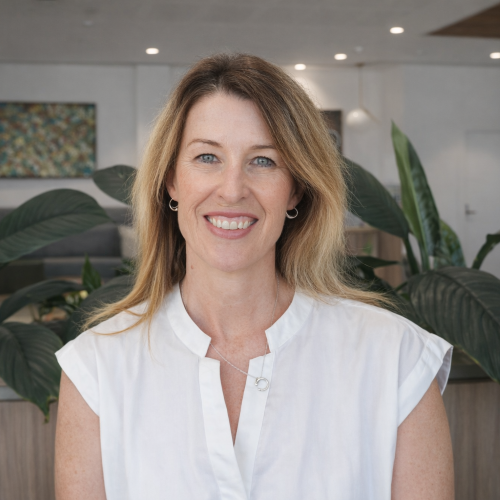
Naomi Moylan
Dementia support specialist
Brightwater Care Group (Australia)
Naomi Moylan
Dementia support specialist
Brightwater Care Group (Australia)
Presenting in:
Day 1 Concurrent Stream CNaomi Moylan is an Occupational therapist (OT) who has specialised in supporting people living with dementia and their partners. Naomi is the dementia support specialist at Brightwater and coordinated development of young onset dementia (YOD) services including an allied health team, permanent accommodation and the YOD Bright Respite Retreats. Previously, Naomi worked as an OT in residential care, community, tutoring and community development work. Naomi is a member of the OT Australia Aged Care National Reference Group, YOD WA Impact Network and an Executive Member of the Australian Dementia Network YOD Special Interest Group Executive and Cognitive Stimulation Therapy Australia.
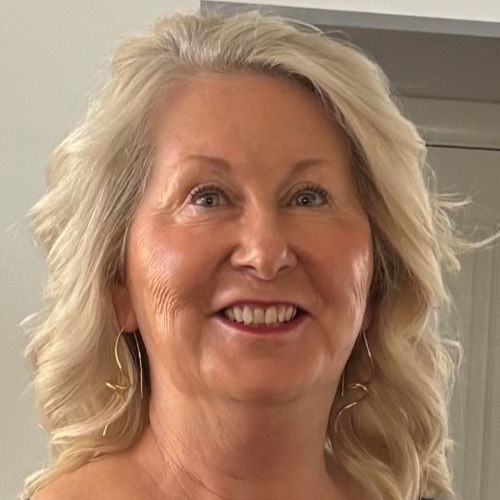
Michelle Harris
Co-director
Bright Respite Retreat (Australia)
Michelle Harris
Co-director
Bright Respite Retreat (Australia)
Presenting in:
Day 1 Concurrent Stream CMichelle Harris is a registered nurse with a masters of clinical nursing specialising in dementia, and currently facilitates the Bright Respite program, a new innovative program for people living with dementia and their carers. She is also a co-director at Care Partnerships Australia in Western Australia. She is focused on changing the culture of dementia care across all business streams, building knowledge and best practices for ideals of person-centred dementia care in partnership with client, staff and families. Michelle is passionate about the importance of effective leadership to challenge the ‘status quo’ in care delivery.
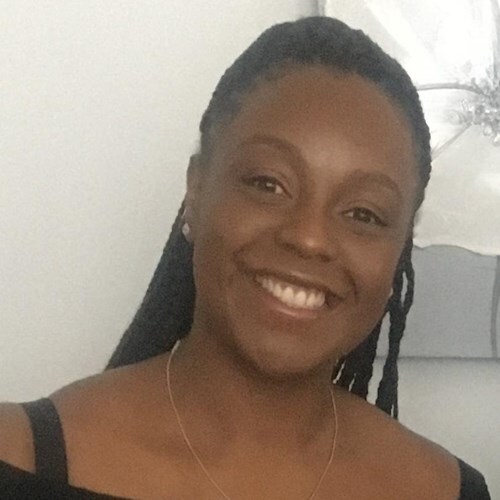
Sasha Lewis-Jackson
PhD researcher
University of Edinburgh (Scotland)
Sasha Lewis-Jackson
PhD researcher
University of Edinburgh (Scotland)
Presenting in:
Day 2 Concurrent Stream ASasha is a PhD researcher at the Advanced Care Research Centre (ACRC) at the University of Edinburgh. Her research uses qualitative and ethnographic methodologies to understand patient narratives and improve care experiences. Her doctoral work, “The use of restrictive practices with people with diminished capacity in care settings,” explores how older adults with dementia and delirium, staff and caregivers experience restrictions in old-age psychiatric settings in Scotland.
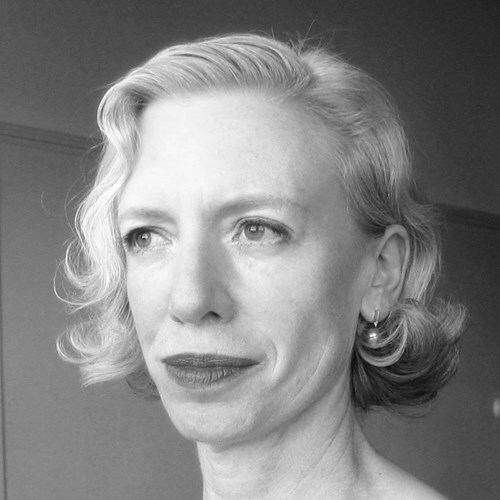
Shelley Jones
Expert by experience
Learn-ability limited (New Zealand)
Shelley Jones
Expert by experience
Learn-ability limited (New Zealand)
Presenting in:
Day 2 Concurrent Stream AThe common theme in Shelley Jones’s work has been 'supporting professionals and front line workers in bringing their best to what they're doing for the people in their care'. Each project has built on the last, and the direction of travel has been increasingly towards care of older people. While she was working in a national program to reduce harm from falls in older people, she stressed to her mother that she would lose credibility if her mother was to take a tumble. It was unlikely, as she was going to the gym and the pool, climbing volcanoes large and small in Tāmaki Makaurau Auckland and generally roaming free range around her neighbourhood on long daily walks - even after breaking her first hip in 2019. The second hip was a different story.
.jpg)
Prof Sherril Gelmon
Professor emerita
Portland State University (United States )
Prof Sherril Gelmon
Professor emerita
Portland State University (United States )
Presenting in:
Day 2 Concurrent Stream BSherril Gelmon is professor emerita of public health at Portland State University (USA), and a care partner for her late husband and parents. Her research centres on dementia care partners, seeking to design systems that address challenges she found in clinical research and community supports. She co-leads the research team for Walking the Talk for Dementia.
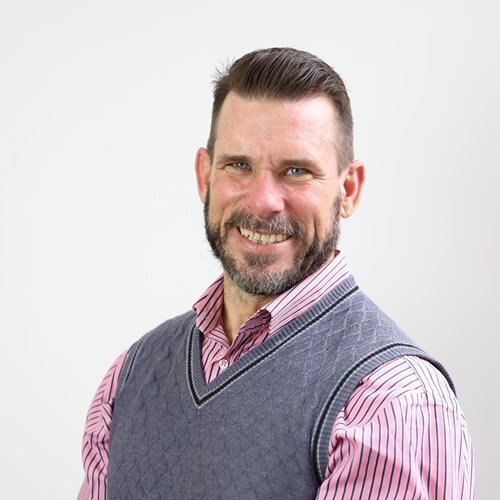
Dr Tim Henwood
Principal
AgeFIT Solutions (Australia)
Dr Tim Henwood
Principal
AgeFIT Solutions (Australia)
Presenting in:
Day 2 Concurrent Stream CTim Henwood is a nationally recognised expert on reablement and quality allied health and therapy service design and delivery for older adults. Following an academic career, as group manager health & wellness (SCC SA, NT and Vic) he demonstrated the value of evidence translation to practice through significant positive client improvements in physical, social and mental wellbeing. Now principal, AgeFIT Solutions, he supports aged care providers to deliver evidence-based, regulation-aligned health and wellness opportunities to support client independence and quality of life. His vision: empower older adults to pursue positive health pathways regardless of age, disease, or disability.
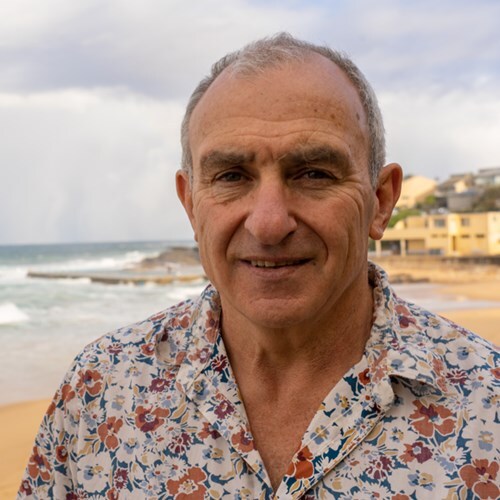
William Yeates
Living experience consultant
HammondCare (Australia)
William Yeates
Living experience consultant
HammondCare (Australia)
Presenting in:
Day 2 Concurrent Stream CAfter graduating in pharmacy, Bill Yeates spent over 35 years teaching senior physics and chemistry, and working as a school administrator. In 2019, at the age of 59, he was diagnosed with younger onset Alzheimer's disease. Determined to live a more enjoyable and meaningful life, Bill created a holistic, person-centred approach called The Tree of Awakening Your Positivity and shares his experiences through his website, national and international speaking engagements, and advocacy work. A passionate surf lifesaver and master’s athlete, Bill is currently involved in producing a short film series, Navigating Life with Dementia.
A/Prof Chris Knifton
Lecturer neurocognitive/developmental studies
De Montfort University (United Kingdom)
A/Prof Chris Knifton
Lecturer neurocognitive/developmental studies
De Montfort University (United Kingdom)
Presenting in:
Day 1 Concurrent Stream CChris Knifton is an associate professor in neurocognitive and neurodevelopmental studies at De Montfort University in the UK. His speciality and areas of interest include learning disability, neurodiversity (and is autistic himself), dementia, and in particular, dementia education and childhood dementia. As well as practical support and guidance based on his many years of professional experience (he is both a learning disability nurse, admiral nurse and a social worker in the UK) he also supports teaching, learning, and educational support for both informal carers as well as the dementia workforce. In view of the latter, he holds the prestigious international affiliation of being a PFHEA (Principal Fellow of the Higher Education Academy) as well as being a member of the core leadership team for the Higher Education Dementia Network in the UK.
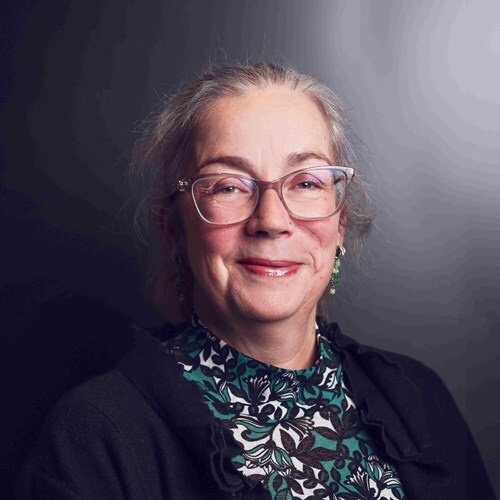
Samantha Edmonds
Director, policy education and systemic advocacy
Older Persons Advocacy Network (Australia)
Samantha Edmonds
Director, policy education and systemic advocacy
Older Persons Advocacy Network (Australia)
Presenting in:
Day 1 Concurrent Stream BSamantha has extensive knowledge and experience in policy, advocacy, human rights, and a strong commitment to inclusive aged care. Sam is the Director Policy, Education and Systemic Advocacy at the Older Persons Advocacy Network (OPAN). Sam is on the Board of the International Federation of Ageing, chairs the Department of Disability, Health and Ageing Diversity Consultative Committee and is a distinguished member of the Australian Association of Gerontology. Sam holds Masters Degrees in Politics and Public Policy, International Relations and Social Administration. Sam is passionate about ensuring the choices of older people are heard.
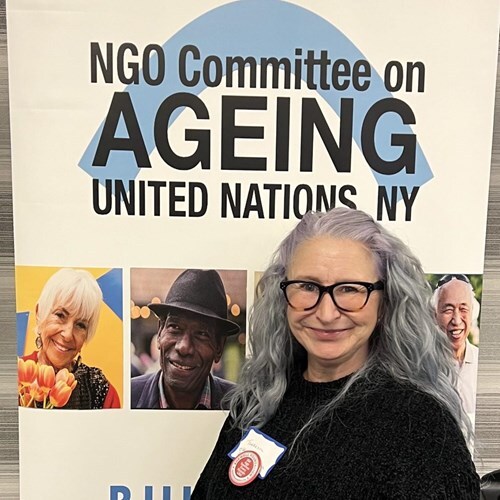
Theresa Flavin
Lived experience advocate
Older Persons Advocacy Network (Australia)
Theresa Flavin
Lived experience advocate
Older Persons Advocacy Network (Australia)
Presenting in:
Day 1 Concurrent Stream BTheresa Flavin is a well known advocate for people living with dementia. She is an inaugural member of OPAN’s national older persons reference group, human rights advisory group and supported decision making working group. Theresa works at UNSW school of psychology, and has special interest in the human rights of people living with dementia. Through the support of OPAN and global association for the rights of older persons, Theresa was the first person living with dementia to address the United Nations open ended working group on ageing in 2023.
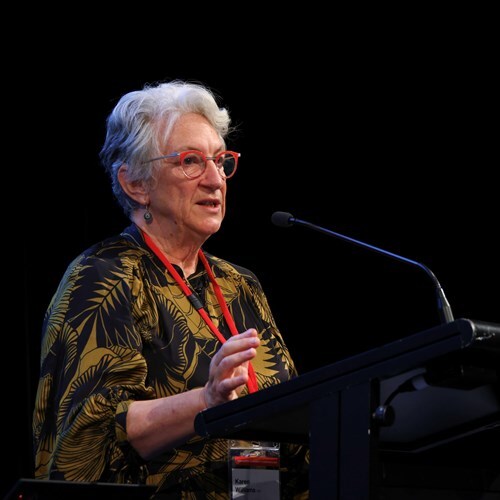
Karen Williams
Principal Solicitor
ADA Law (Australia)
Karen Williams
Principal Solicitor
ADA Law (Australia)
Presenting in:
Day 1 Concurrent Stream BKaren is the principal solicitor with ADA Law, a community legal centre within Aged and Disability Advocacy Australia. Karen has previously been a social worker working within acute public health and mental health systems. She now manages a small team of lawyers assisting people subject to guardianship or mental health tribunal hearings and people with concerns about their active attorneys.
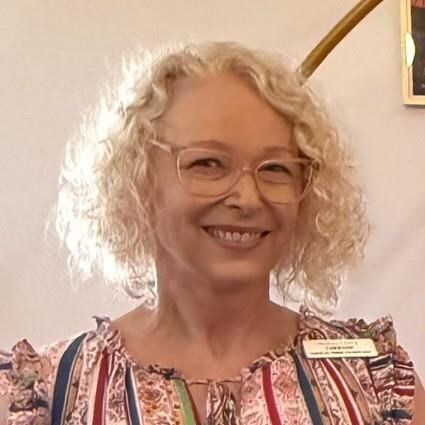
Christine Sender-Ivanov
Clinical nurse consultant
War Memorial Hospital (Australia)
Christine Sender-Ivanov
Clinical nurse consultant
War Memorial Hospital (Australia)
Presenting in:
Day 1 Concurrent Stream DChristine Sender-Ivanov is a clinical nurse consultant who has been working for 35 years with people with geriatric syndromes including dementia in the hospital, community and residential aged care settings. She has a graduate diploma nursing specialisation UTAS, graduate certificate gerontological nursing UTAS, Aspire diploma in leadership management and bachelor of health administration, UNSW. She has been working at the Uniting War Memorial Hospital, a subacute, aged rehabilitation service in Sydney, for 6 years, and, along with Dr Wendy Longley, is co-leader of the first hospital outpatient-based multidisciplinary dementia rehabilitation program in Australia, iREADi. She is passionate about working with older people and their carers to provide person-centred and evidence-based healthcare, sharing her knowledge and experience with others so that people affected by dementia can live better lives.
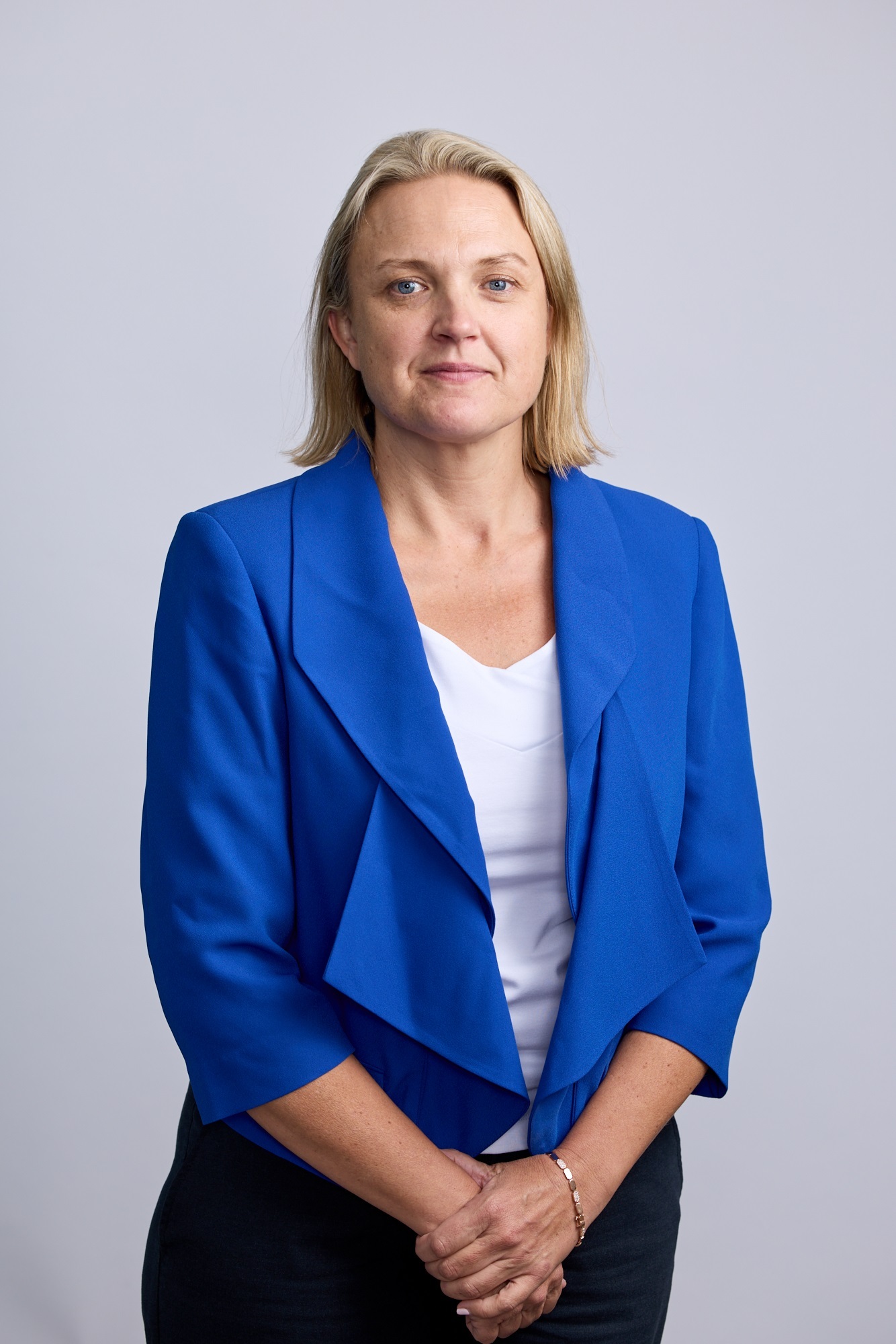
Loren de Vries
Assistant commissioner
Aged Care Quality and Safety Commission (Australia)
Loren de Vries
Assistant commissioner
Aged Care Quality and Safety Commission (Australia)
Presenting in:
Day 2 Concurrent Stream DLoren de Vries is the Aged Care Quality and Safety Commission’s assistant commissioner, senior practitioner behaviour support and commenced with the Commission in May 2023. Loren is a nurse practitioner (older person) and brings with her years of experience and clinical expertise in supporting the older person particularly people living with dementia and individuals experiencing changed behaviours. Loren brings specialist knowledge and skills in the clinical care of older people which comes from a combination of formal education, research and clinical experience. Loren has spent her career working in aged care in both acute and residential care in a variety of roles across a range of settings including rural health. Loren has taught both undergraduate and post graduate students in dementia care and has also completed research in the area of environmental design and physical activity. Loren is passionate about the care of the older person and is seen as a clinical leader.
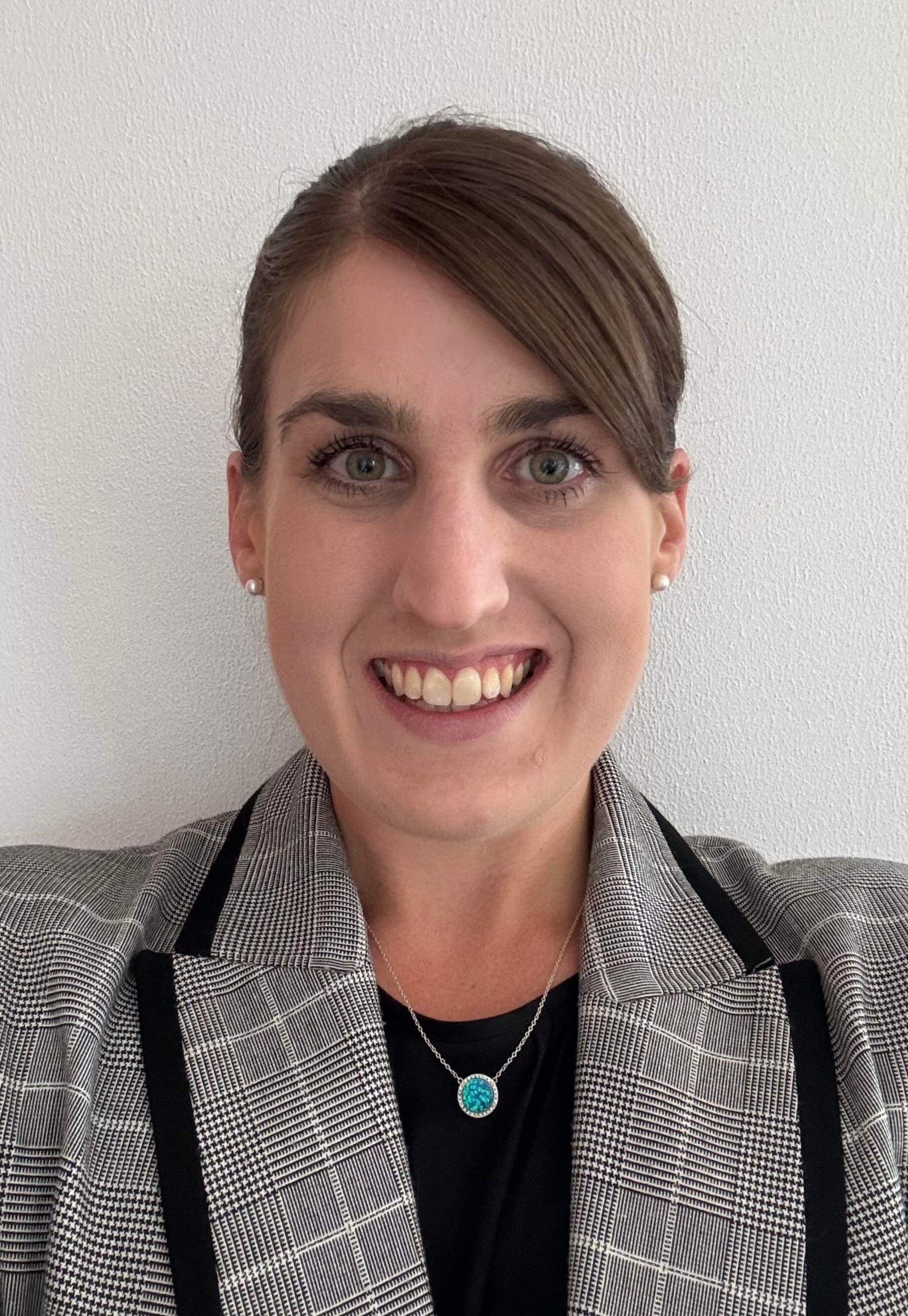
Megan Cox
Director, strategy and engagement
Aged Care Quality and Safety Commission (Australia)
Megan Cox
Director, strategy and engagement
Aged Care Quality and Safety Commission (Australia)
Presenting in:
Day 2 Concurrent Stream DMegan Cox is director (strategy and engagement) of the behaviour support and restrictive practices unit at the Aged Care Quality and Safety Commission. Megan is a registered nurse and has extensive experience working in clinical, education, governance and leadership roles across the aged care sector. Megan has used her expertise and nursing qualifications to support students developing valuable skills through vocational education and training as an educator in aged care, community care and disability qualifications. Megan holds a masters degree of gerontology and brings specialist clinical expertise and advanced skills in aged care particularly people living with dementia or cognitive impairment and supporting individuals experiencing changed behaviours.
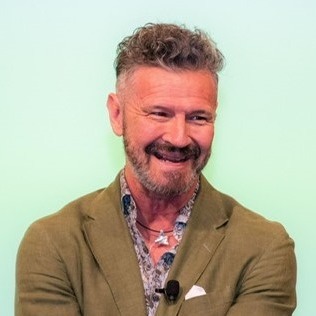
Michael Verde
Founder and CEO
Memory Bridge (United States)
Michael Verde
Founder and CEO
Memory Bridge (United States)
Presenting in:
Day 2 Concurrent Stream FMichael earned an MA in literary studies from the University of Iowa; an MA in theology from the University of Durham, UK, and is currently completing his PhD at Indiana University focusing on empathetic communication and literature and religion. He founded Memory Bridge in 2004 for the purpose of ending the emotional isolation of people with dementia. Memory Bridge’s programs are hosted on three continents and their bi-monthly webinars are followed by caregivers and allied professionals in over 14 countries.
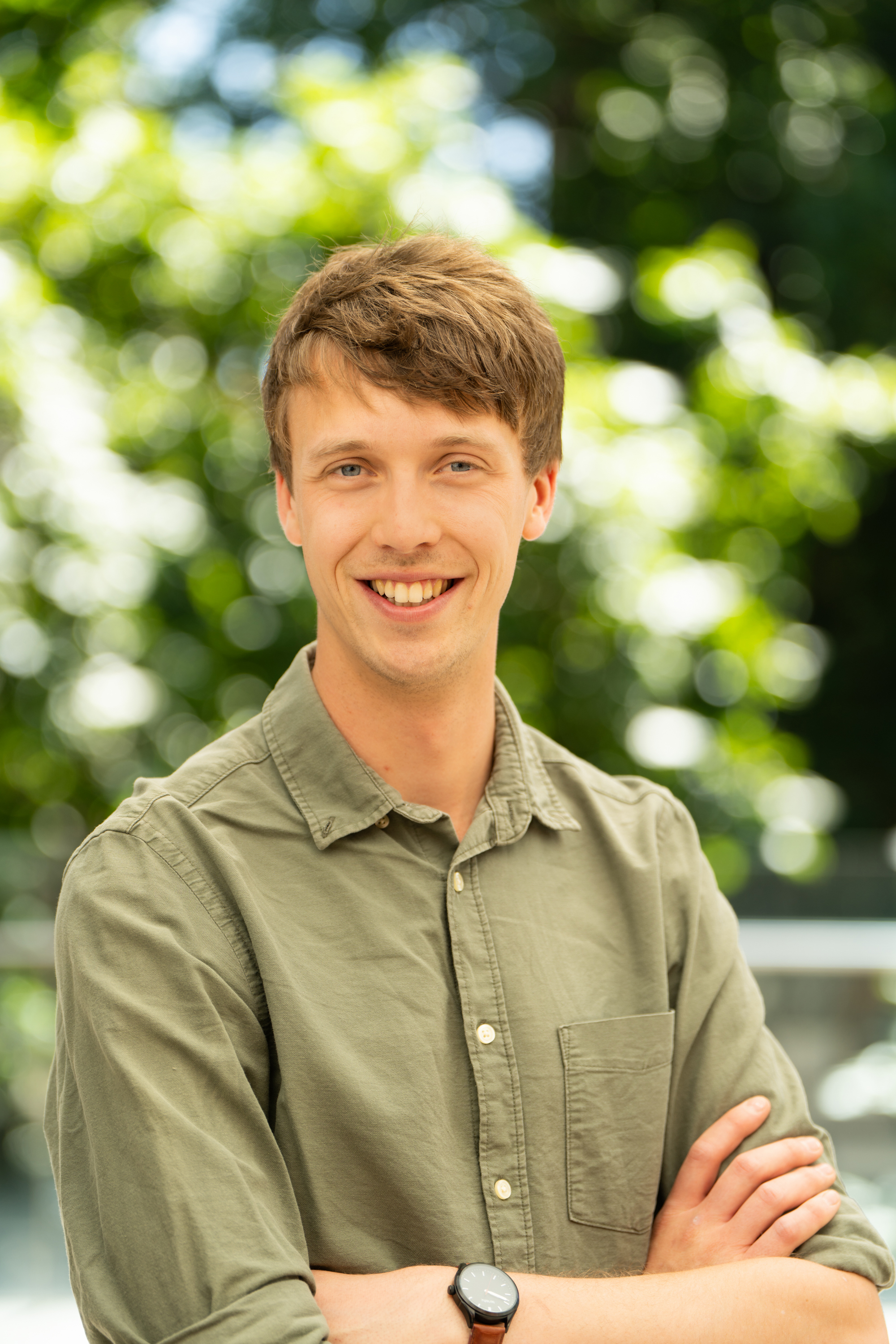
Lachlan Darch
Research assistant
Rosemary Bryant AO Research Centre (Australia)
Lachlan Darch
Research assistant
Rosemary Bryant AO Research Centre (Australia)
Presenting in:
Day 1 Concurrent Stream GLachlan Darch is a research assistant at the Rosemary Bryant AO Research Centre. Lachlan has a masters of research (health sciences), and bachelor of exercise and sports science from UniSA.
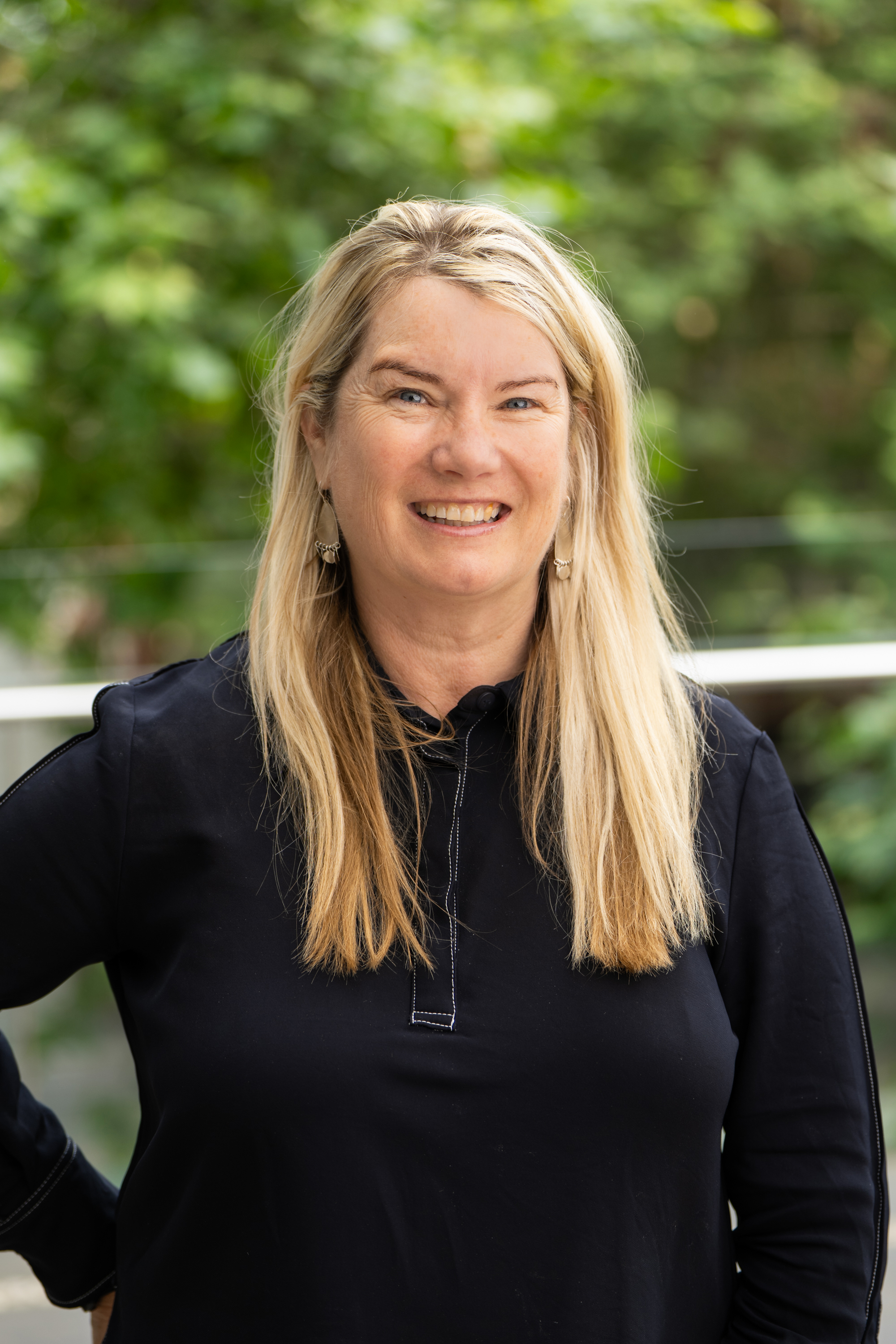
Prof Marion Eckert
Foundation director
RBRC (Australia)
Prof Marion Eckert
Foundation director
RBRC (Australia)
Presenting in:
Day 1 Concurrent Stream GProfessor Marion Eckert is the foundation director for the RBRC. She has transformed RBRC from a single employee to a thriving team of over 80 members. Her leadership is driven by a commitment to improving both community health and healthcare systems, focused on leaving no one behind, through impactful translational research.
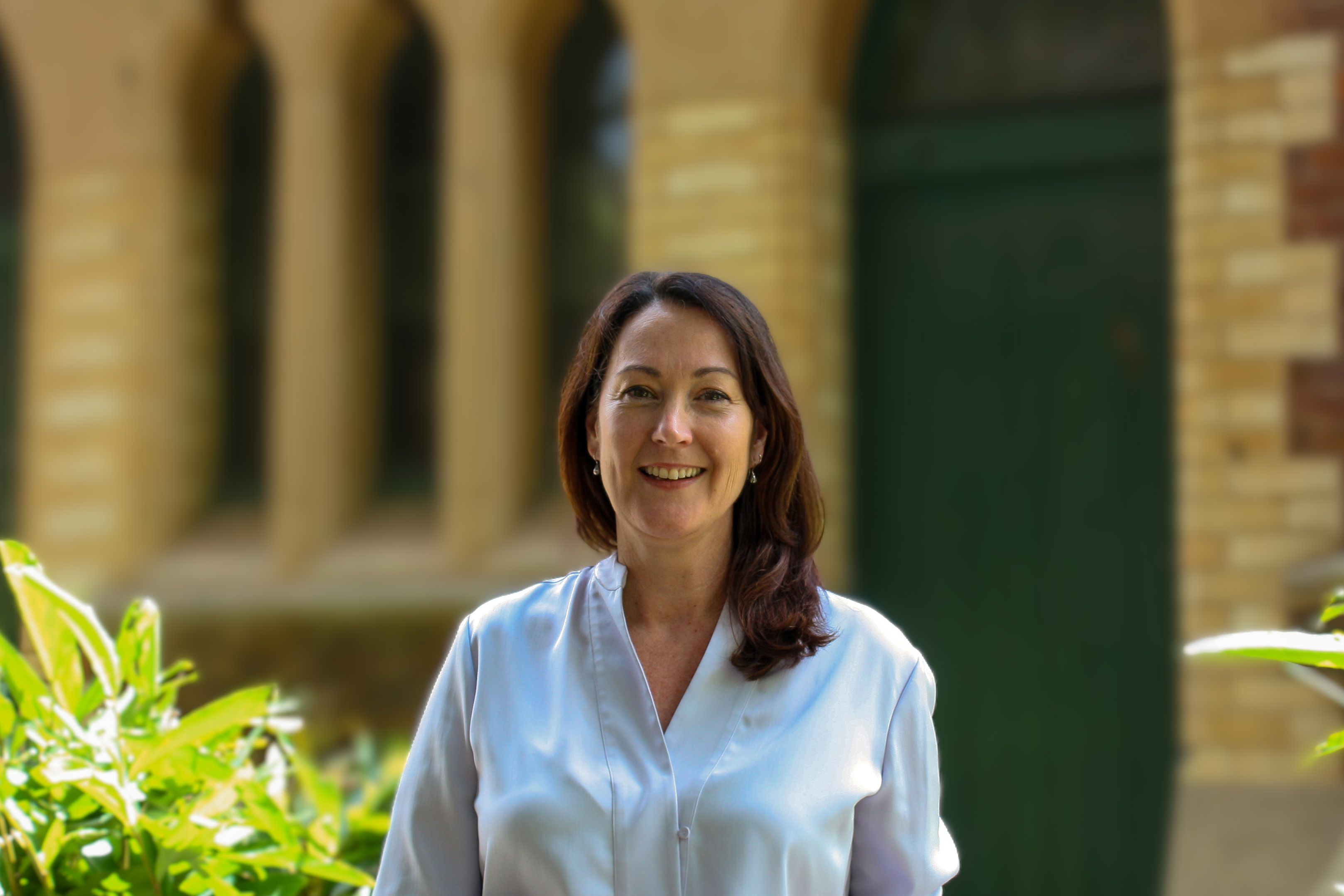
Katrina Tolhurst
Senior associate
Bickerton Masters Architecture (Australia)
Katrina Tolhurst
Senior associate
Bickerton Masters Architecture (Australia)
Presenting in:
Day 2 Concurrent Stream EKatrina is a senior associate at Bickerton Masters Architecture with over 20 years of experience leading complex mixed use, aged care, and seniors living projects. She champions a design philosophy that places people at the centre, fostering collaboration between stakeholders and delivery teams to create environments of value and meaning. Her interdisciplinary expertise bridges concept, development, and delivery, with a particular focus on inclusive, dementia-sensitive spaces that connect deeply to place and nature. Katrina is currently working closely with HammondCare in the design of the ACT’s first Dementia Village in Curtin.
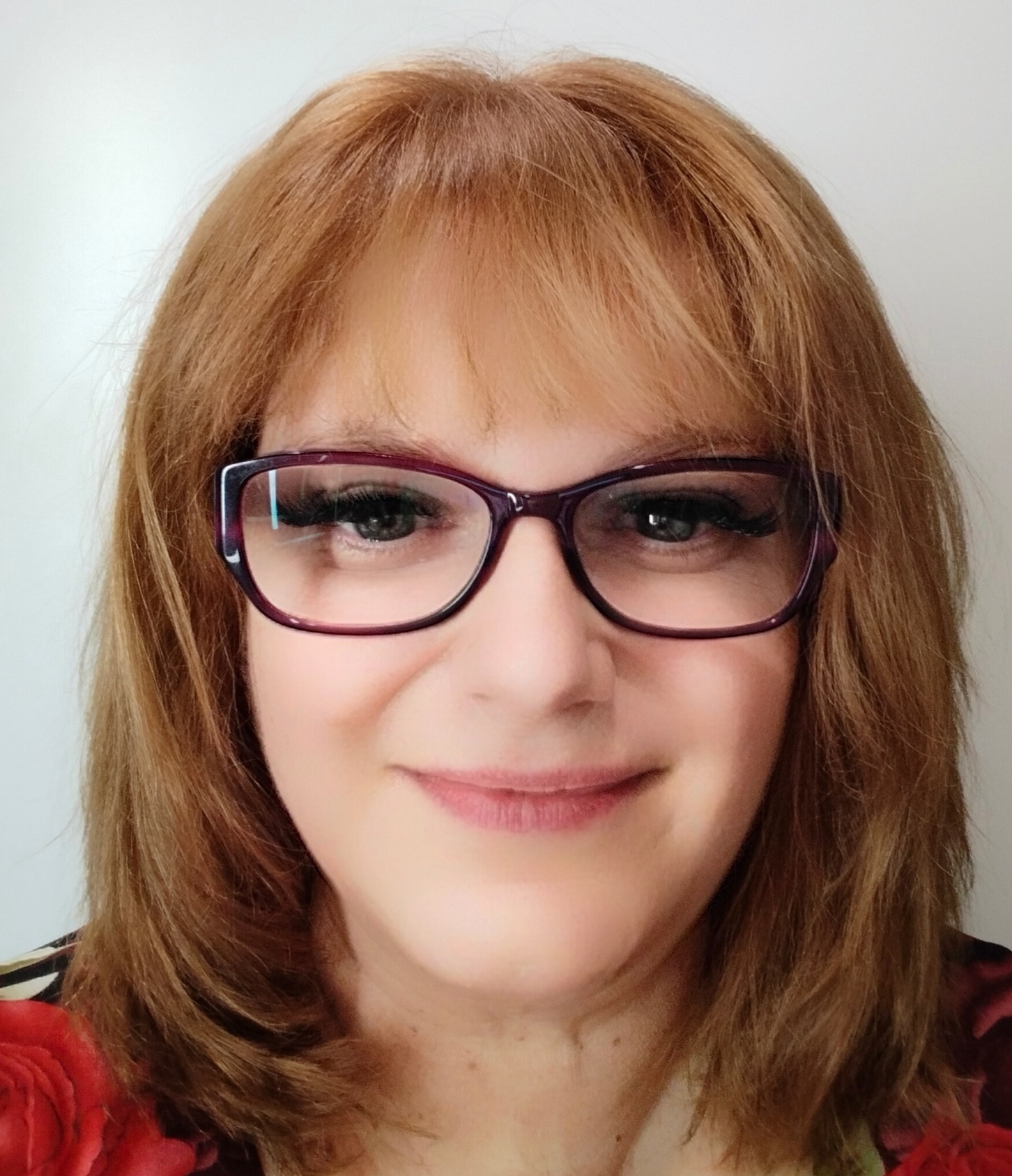
Natalie Ive
Vice-chair
Dementia Australia Advisory Committee (Australia)
Natalie Ive
Vice-chair
Dementia Australia Advisory Committee (Australia)
Presenting in:
Day 2 Concurrent Stream BNatalie Ive was diagnosed with mild cognitive impairment in 2018, and in 2021 received a diagnosis of primary progressive aphasia, a language-led dementia. She represents Australia on the ADI Global Expert Panel, is vice-chair of the Dementia Australia Advisory Committee, and is affiliated with the University of Tasmania.
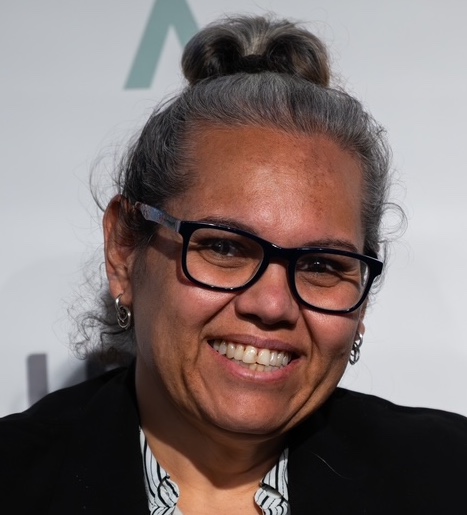
Michelle Steele
Chief First Nations officer
Paul Ramsay Foundation (Australia)
Michelle Steele
Chief First Nations officer
Paul Ramsay Foundation (Australia)
Presenting in:
Day 2 Concurrent Stream BMichelle Steele is chief First Nations officer at the Paul Ramsay Foundation in Canberra, and a board member of the Walking the Talk for Dementia Institute. She is an atlantic fellow for social equity. [Not presenting but central to this abstract]

Sam Moorhouse
Aged and disability liaison nurse
Hume Palliative Care Consortium (Australia)
Sam Moorhouse
Aged and disability liaison nurse
Hume Palliative Care Consortium (Australia)
Presenting in:
Day 1 Concurrent Stream ASam has worked in palliative care for over 14 years. Her current experience in palliative care informs her motivation to strengthen the palliative care approach in residential aged care facilities and residential disability accommodation services. Sam feels that with good support and direction, clients in these facilities can receive holistic and quality-of-life centred care and a dignified death.
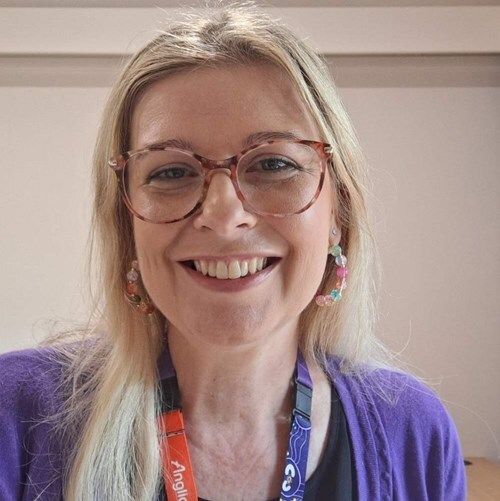
Felicity Dougherty
Spiritual care practitioner
Anglicare Southern Queensland (Australia)
Felicity Dougherty
Spiritual care practitioner
Anglicare Southern Queensland (Australia)
Presenting in:
Day 1 Concurrent Stream AFelicity is a spiritual care practitioner with a particular interest in caring for the emotional and spiritual needs of those living with dementia. Felicity has worked as a chaplain in palliative care, residential aged care and in the community. Felicity has lived experience as a carer of someone living with dementia and this brings a grounding and understanding to her work.
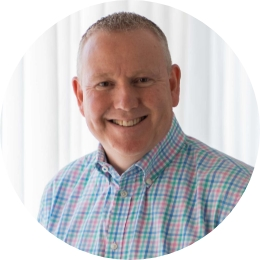
Paul Thorne
CEO
Woodbridge Retirement Village (Australia)
Paul Thorne
CEO
Woodbridge Retirement Village (Australia)
Presenting in:
Day 2 Concurrent Stream CPaul Thorne is currently the CEO of Woodbridge Retirement Village and is an experienced senior executive and board member with extensive leadership in retirement living, aged care and local government. He has a proven record in driving strategic change, implementing innovation, and improving business performance. Paul focuses on creating high-performing teams and delivering exceptional customer experiences. His expertise spans governance, commercial strategy and operational excellence. Paul is recognised for his values-based leadership and commitment to integrity and is a passionate advocate for quality care and positive outcomes in ageing and dementia services.
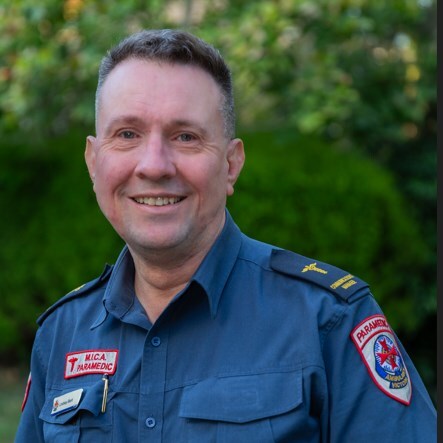
Lindsay Bent
Paramedic
Ambulance Victoria (Australia)
Lindsay Bent
Paramedic
Ambulance Victoria (Australia)
Presenting in:
Day 1 Concurrent Stream DLindsay Bent is a mobile intensive care ambulance (MICA) paramedic and has worked with Ambulance Victoria for more than 36 years, where he currently holds the role of clinical lead, communications centres. He is committed to delivering optimal patient care and fostering continuous improvement within Ambulance Victoria. Throughout his distinguished career, Lindsay has pioneered several initiatives, including the introduction of motorcycle paramedics in Victoria, the evaluation of alternative telephone triage algorithms, and was the operational lead in the development and deployment of Australia's first mobile stroke unit. Lindsay was awarded a Winston Churchill Fellowship in 2022 to study dementia-friendly ambulance trusts within the NHS in the United Kingdom. His exemplary service was honoured with the Ambulance Service Medal (ASM) in the 2024 National Honours, and he has also been appointed officer of the order of St John (OStJ) for his sustained commitment and volunteer service to St John Ambulance Australia. Passionate about the provision of best care for people living with dementia, Lindsay draws from his extensive operational experience, personal family insights, and the knowledge gained from his Churchill fellowship to advocate for and implement person-centred care approaches within ambulance services.
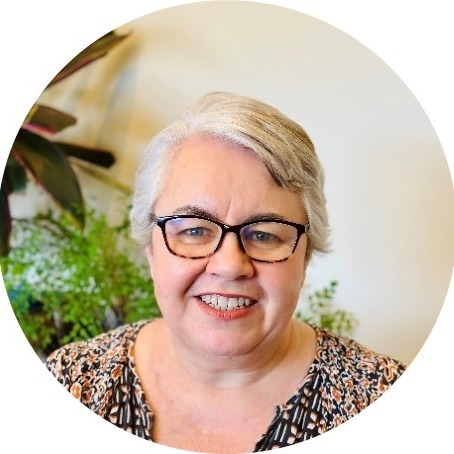
Liz Johnston
Living well coordinator
HammondCare (Australia)
Liz Johnston
Living well coordinator
HammondCare (Australia)
Presenting in:
Day 2 Concurrent Stream CLiz Johnston is an aged care specialist with over 20 years’ experience supporting older people with complex needs, with a strong focus on dementia care across residential, community, and specialist settings. As a dementia consultant with Dementia Support Australia, she worked with families, carers, and clinicians to translate evidence‑informed approaches into practical, person‑centred strategies. Now supporting the team at Woodbridge Retirement Village, Liz brings expertise in behaviour support, environmental engagement, and relationship‑based practice. Recognised with multiple awards for her commitment and compassion, she is dedicated to advancing dementia‑inclusive care and creating environments where people living with dementia can thrive.
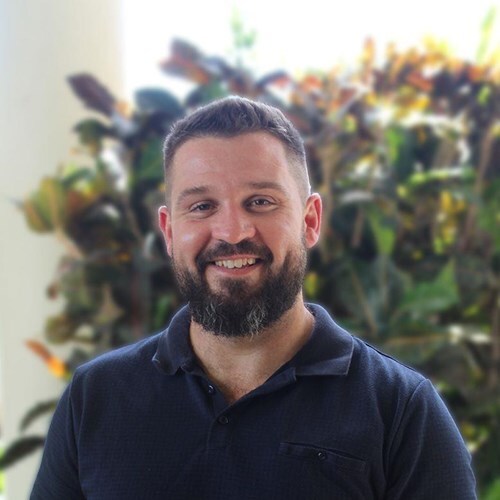
Dr Michael Inskip
Exercise physiologist
(Australia)
Dr Michael Inskip
Exercise physiologist
(Australia)
Presenting in:
Day 2 Concurrent Stream CMichael Inskip is a senior lecturer, clinical educator, and early career researcher in exercise physiology at James Cook University, Townsville. An accredited exercise physiologist with over 10 years’ clinical and research experience, his work focuses on improving frailty care through exercise, nutrition, and deprescribing in older adults, including those with dementia and neurological conditions. He coordinates the clinical exercise physiology and honours programs and supervises students in JCU’s student-led clinic. Michael completed his PhD at the University of Sydney in 2020 and leads research partnerships, including the FRIEND trial, to enhance best-practice frailty management in aged care.
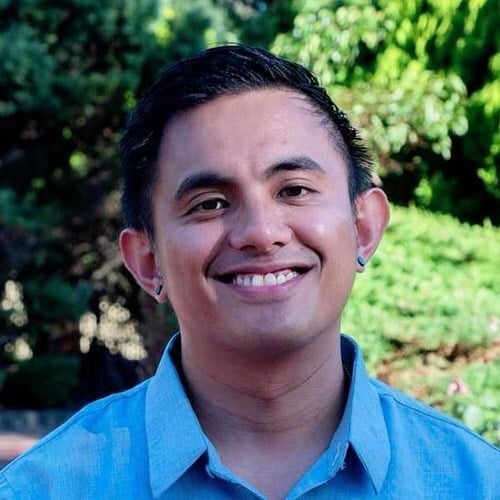
Jamie Lalwet
Respite coordinator
Maharlika Lodge™ (Australia)
Jamie Lalwet
Respite coordinator
Maharlika Lodge™ (Australia)
Presenting in:
Day 2 Concurrent Stream EJamie is a community social worker at the Australian Filipino Community Services (AFCS), where he is the respite coordinator at Maharlika Lodge™, Australia’s first Filipino dementia respite home. Dedicated to advancing dementia care, Jamie leads culturally responsive services that deliver personalised, holistic support to individuals and families, ensuring dignity and compassion in every overnight stay. His work centres on providing resources, education, and meaningful respite for carers, while creating an environment that honours cultural identity. Jamie’s goal is for every participant to experience respite as a pathway to living well with dementia, feeling empowered, informed, and confident in future care pathways.
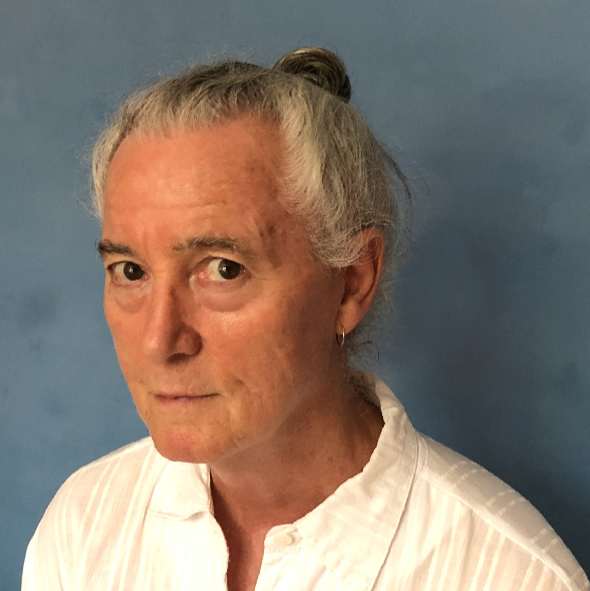
Stu Ewings
Artist practitioner
HammondCare (Australia)
Stu Ewings
Artist practitioner
HammondCare (Australia)
Presenting in:
Day 2 Concurrent Stream FMr Ewings holds a bachelors in visual arts (SCA), masters in counselling (JNI) and masters in social work (USYD) and has a life-long interest in the arts. Stu spent three decades working with music, visual art, theatre, radio, TV and film, accumulating diverse experience spanning prop-making, events, film continuity and sound editing. A sea-change in 2011 precipitated twelve years’ experience in community support for people ageing with chronic illness, plus further experience in a hospital acute-geriatric/dementia-care setting. Currently an artist practitioner with HammondCare’s Arts on Prescription program, Stu witnesses how art-making stimulates positive bio-psycho-social effects on the wellbeing of our elders.
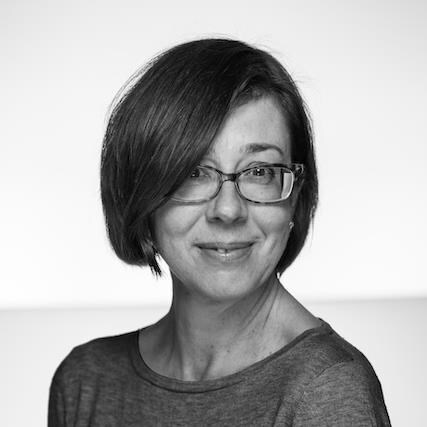
Celia Pavelieff
Strategic communications and marketing leader
(Australia)
Celia Pavelieff
Strategic communications and marketing leader
(Australia)
Presenting in:
Day 2 Concurrent Stream GAuthor of 10 at the table® and strategic communications and marketing leader, Celia’s expertise spans strategy development, marketing, advocacy, and stakeholder engagement. She has provided high-level strategic advice and advocacy to a range of stakeholders, supporting communities, sectors, and industries. Celia holds a master’s in public policy and governance from UNSW, postgraduate diplomas in business administration and primary teaching from QUT, and a diploma of arts in music from the University of Southern Queensland. Her diverse expertise allows her to drive impactful outcomes and foster collaboration among stakeholders. Since March 2023 Celia has been her Mother’s full-time primary carer.
Dr Jane Thompson
Founding member
The Neighbourhood Canberra (Australia)
Dr Jane Thompson
Founding member
The Neighbourhood Canberra (Australia)
Presenting in:
Day 1 Concurrent Stream GJane Thompson (PhD) is an experienced contributor to dementia research and advocate for public involvement in all types and stages of dementia research. She has been actively involved in dementia research at the project, program, and organisational level since 2010. Her experience as a carer of her husband, who died of Alzheimer’s disease in 2007, inspired this involvement and commitment to improve the experiences of others impacted by dementia. She was a founding member of The Neighbourhood, Canberra - motivated by a desire to improve the residential care experience for people living with dementia in the Canberra Region.
Dr Kathleen Lawson
Registered music therapist
Life Rhythm Integrated Healthcare (Australia)
Dr Kathleen Lawson
Registered music therapist
Life Rhythm Integrated Healthcare (Australia)
Presenting in:
Day 1 Concurrent Stream ERegistered music therapist Kathleen Lawson focuses her clinical practice on functional neurological adaptation through relationship-building, embedded in creative musical engagement. Her historical and current neurological training informs this approach, toward maximising opportunities for participants across varied contexts including early childhood, mental health and dementia support, rehabilitation, palliative care and community music therapy.
Jo Young
Dementia support coordinator
ECH Inc (Australia)
Jo Young
Dementia support coordinator
ECH Inc (Australia)
Presenting in:
Day 2 Concurrent Stream EJo Young is a dementia support coordinator for ECH Inc - a South Australian retirement living and in-home care services provider. After completing a bachelor of dementia care with the University of Tasmania in 2023 Jo has transitioned within the organisation from the gyms of the wellness centres, to being instrumental in developing and evolving the dementia support service. Jo is passionate about supporting people living with dementia to remain in their own homes, stay connected to their community and live with purpose and joy. Away from work Jo is a keen traveller always looking for the next adventure.
Bronwyn Morkham
National director
Young People in Nursing Homes National Alliance (Australia)
Bronwyn Morkham
National director
Young People in Nursing Homes National Alliance (Australia)
Presenting in:
Day 1 Concurrent Stream CAn experienced individual and systemic advocate, Bronwyn is passionate about delivering a sustainable system of care for the 30,000 Australians living with young onset dementia; and ending the placement of younger disabled Australians in residential aged care facilities. Bronwyn has worked with state and federal governments in health and disability systems policy and practice reform and written extensively on the development and integration of multisystem service responses involving housing, health, mental health and disability/NDIS services. With a track record of collaboration, innovation and achievement, she has also served on a number of state and federal advisory bodies.
Holly Sparrow
Executive manager, strategic projects
ARIIA (Australia)
Holly Sparrow
Executive manager, strategic projects
ARIIA (Australia)
Presenting in:
Day 1 Concurrent Stream CHolly Sparrow is executive manager, strategic projects at ARIIA (Aged Care Research & Industry Innovation Australia). ARIIA supports and empowers aged care workers, leaders and service providers to make positive changes that are innovative, evidence-based and sustainable. Over the past four years Holly has played a key role in establishing and facilitating ARIIA’s workforce programs and strategic projects, where she combines her love of people, projects and purpose to make a positive difference to the aged care workforce and the lives of older people.
Robert Lewis
Director
Council for Intellectual Disability (Australia)
Robert Lewis
Director
Council for Intellectual Disability (Australia)
Presenting in:
Day 1 Concurrent Stream FRobert Lewis is a Director on the board of the Council for Intellectual Disability. Robert is a member of the co-production group that guides the End of Life project at the council. He is also a member of the council’s advocacy and leadership groups. Robert is dedicated to people with disability making their own choices and having their own say for their end of life.

Aunty Sandra King OAM
Reconciliation action plan co-ordinator
Anglican Church Southern Queensland (Australia)
Aunty Sandra King OAM
Reconciliation action plan co-ordinator
Anglican Church Southern Queensland (Australia)
Presenting in:
Day 1 Concurrent Stream AAunty Sandra King is a proud Yagara, Koenpul, Ngugi, and Bundjalung woman. She is a born and bred Magandjin (Brisbane) woman, whose first residence was in Victoria Park. She was born into and has been heavily involved in promoting the history and positiveness of her community. She can date her Aboriginality back to her Great Grandfather’s (born in 1867 in Bulimba) grandmother who would have been born in the early 1820’s. Sandra began her career in the 1970’s and was involved in the marches in Brisbane and at the 1972 Tent Embassy in Canberra. She established her business in the early 1990’s in promoting and managing Aboriginal and Torres Strait islander models, actors, and performers, as well as directing and presenting various programs to her community and to mainstream audiences. She is of Greek Orthodox faith but is the reconciliation action plan co-ordinator for the Anglican Church Southern Queensland for the past 6 years. She loves her work and loves being involved with her community. She is now presenting her Welcome to Country speeches to various organisations, businesses, and communities. Aunty Sandra brings with her the lived experience of a dementia carer as well as a unique perspective on dementia within her community.
Devika Wood
CEO
Ayla Care (UK)
Devika Wood
CEO
Ayla Care (UK)
Presenting in:
Day 2 Concurrent Stream GDevika Wood is CEO of Ayla Care, a UKCA Class I certified medical device that gives care teams everything they need to deliver Cognitive Stimulation Therapy (CST) — the only non-pharmacological intervention recommended by both NICE and the WHO for dementia — using their existing staff: a structured clinical platform, accredited training, and measurable outcomes evidence, all in one solution. Dementia care is personal to Devika. She was a young carer for twelve years and experienced first-hand the gap between what good care could look like and what was actually being delivered. That gap is what Ayla exists to close. Residential aged care facilities using Ayla report 100% cognitive stability within seven weeks, alongside measurable improvements in quality of life, social engagement, and staff confidence. Devika holds a Master of Public Health from Imperial College London and brings thirteen years in digital health across Google, Babylon, and AXA Health. She is a Forbes 30 Under 30 alumna and NHS Clinical Entrepreneur.
Genevieve Donnelly
Assistant secretary, dementia
Department of Health, Disability and Ageing (Australia)
Genevieve Donnelly
Assistant secretary, dementia
Department of Health, Disability and Ageing (Australia)
Presenting in:
Day 2 Concurrent Stream DGenevieve Donnelly is the assistant secretary, dementia, diversity and design branch, dementia, diversity and residential care division within the Department of Health, Disability and Ageing. Starting her career as a pharmacist, Genevieve has worked across primary, acute and aged care sectors in private, government and not for profit organisations. Her career in the public service has spanned a range of agencies including the Australian Commission on Safety and Quality in Health Care, Australian Digital Health Agency and the Independent Health and Aged Care Pricing Authority before moving to the Department of Health, Disability and Ageing. Completing further studies in health informatics, governance and business, Genevieve has worked in large change management programs, national implementations and complex policy roles.