
Browse concurrent streams
Concurrent sessions are split into streams. When it's time to register, choose one stream for each day you're attending. Use the filters below to explore the different streams.
Displaying presentations from all days and all streams all
DAY 2 • STREAM A
The story of Mr. J's last weeks: a case review of end stage dementia in residential care (RC) using a palliative approach
Larissa McIntyre
Catholic Healthcare, Australia
The story of Mr. J's last weeks: a case review of end stage dementia in residential care (RC) using a palliative approach
DAY 2 • STREAM A
In the last decade an increasing clinical complexity of people entering RC. In 2021-22 there 242,000 people living in RC; of those 54% were living with dementia (n=131,000). That was nearly 84,400 women and 46,400 men.
The aim is to present the Mr. J's end-of-life care, who was living with Lewy Body Dementia since 2015. He had been in RC for two years.
A case review in the management of Mr. J’s last weeks of life was undertaken. Results highlighted the confirmation bias with regards to Mr. J’s changed behaviour. Identified as an escalation of his disease instead of a manifestation of an undiagnosed and unrecognized delirium presenting with high psychomotor agitation. Ultimately leading to terminal agitation.
The most challenging aspect of Mr. J’s care was the management of his agitation and the impact this had upon his family. The profound benefit of Palliative Care Conferences for families to understand, discuss and to plan future care.
The importance of walking with families, giving them an opportunity to determine next steps. In this case recognition from all that Mr. J’s condition has changed, could not be reversed and the goal was for Mr. J to be comfortable and dignified.
Presenters
Larissa McIntyre
Catholic Healthcare, Australia
DAY 1 • STREAM B
Upholding autonomy, identity and dignity of people living with dementia through decision-making rights. Practical learnings from state tribunals to day-to-day aged care interactions
Samantha Edmonds
Older Persons Advocacy Network, Australia
Upholding autonomy, identity and dignity of people living with dementia through decision-making rights. Practical learnings from state tribunals to day-to-day aged care interactions
DAY 1 • STREAM B
The new Aged Care Act in Australia recognises all older people’s right to self-determination, autonomy and dignity. This includes through a presumption of legal capacity — the right to make decisions and have them respected by the law — regardless of any diagnosis including dementia. That is, the new Act requires that aged care providers must respect decisions made by the older person.
We will explore our diverse advocacy, legal, practical, lived, policy and research experiences of promoting older people’s right to make decisions and have those respected by the law and service providers. Case studies from the intersecting aged care, health and legal systems will be used to highlight what needs to change and examples of people living with dementia being supported to realise their human rights in the face of systemic barriers.
Immediately actionable practical guidance grounded in the supported decision-making provisions in the new Act will be provided, including for people living with dementia who have active substitute decision-makers. The possibility for supported decision-making to not only reduce the need for restrictive practices but also ensure, only when they are needed as a last resort, the person is involved in the decision-making process will be examined.
Presenters
Samantha Edmonds
Older Persons Advocacy Network, Australia
Theresa Flavin
Older Persons Advocacy Network, Australia
Karen Williams
ADA Law, Australia
DAY 2 • STREAM F
"This is the one place that I can escape to": the impact of an Arts on Prescription program on the well-being of subacute patients
Dr Lindsey Brett
Hammond Innovations, Australia
"This is the one place that I can escape to": the impact of an Arts on Prescription program on the well-being of subacute patients
DAY 2 • STREAM F
Arts on Prescription (AoP) promotes health and well-being through active participation in a creative activity facilitated by an experienced artist. A potential setting for the implementation of AoP is the subacute hospital.
The primary aim of this study was to assess the self-reported impact on psychological well-being from participation in the AoP in Hospitals program for individuals admitted to subacute hospitals. Secondary aims were to explore (i) perceived impact of the AoP in Hospitals program, and (ii) perceived usability of the Positive Well-being Umbrella - Generic (PWU-G) and the Negative Well-being Umbrella - Generic (NWU-G). A mixed methods study was conducted with adults and staff on palliative care, rehabilitation, or older persons’ mental health wards.
Forty-four patients and 24 staff participated in this study. Both the PWU-G and NWU-G showed statistically significant improvements after attending one AoP session (p <.001). The AoP in Hospitals program was perceived to have a positive impact on well-being. The PWU-G and NWU-G were considered potentially suitable for use in the subacute hospital setting.
The findings suggest the AoP in Hospitals program can positively impact well-being of adults admitted to a subacute hospital after a single AoP session.
Presenters
Dr Lindsey Brett
Hammond Innovations, Australia
Stu Ewings
HammondCare, Australia
DAY 2 • STREAM F
Turning evidence into action: implementation science for more sustainable and faster dementia care change

A/Prof Anita Goh
National Ageing Research Institute, Australia
Turning evidence into action: implementation science for more sustainable and faster dementia care change
DAY 2 • STREAM F
Despite the availability of evidence-based interventions that enhance quality of life and care outcomes, translating research into practice remains slow and inconsistent. On average, it takes 17 years for research findings to become routine practice - a delay that is far too long and limits timely benefits for people living with dementia. It means that proven strategies sit on shelves while individuals and families miss out on timely, life-changing support.
This presentation will showcase how we can change that. Drawing on principles of implementation science and co-design, the speaker will explore practical, actionable strategies to bridge the evidence-to-practice gap. The presentation will examine barriers and enablers to adopting best-practice dementia care and share tools for improving implementation, such as those assessing organisational readiness and culture, and tailored guidelines and practical frameworks designed to accelerate uptake and create lasting change.
By engaging everyone across the research and aged-care sector, implementation research aims to create sustainable models that improve care quality, build workforce capability, and enhance wellbeing for people living with dementia. The ultimate goal is to ensure that evidence-based approaches are implemented more rapidly and effectively, delivering better outcomes for individuals, families, and communities.
Presenters
A/Prof Anita Goh
National Ageing Research Institute, Australia
DAY 1 • STREAM D
Reimagining post diagnostic rehabilitation for dementia – War Memorial Hospital’s iREADi program
Christine Sender-Ivanov
War Memorial Hospital, Australia
Reimagining post diagnostic rehabilitation for dementia – War Memorial Hospital’s iREADi program
DAY 1 • STREAM D
Developed at War Memorial Hospital (WMH) in 2020 through a participant co-design approach, the integrated Rehabilitation for Early-Stage Dementia (iREADi) program addresses this gap through an evidence-based, post-diagnostic, multidisciplinary dementia education and rehabilitation program for people living with dementia (PLWD) and their carers. It is the first such program within the hospital system in Australia.
iREADi’s six-month program consists of:
• a group dementia rehabilitation and education course.
• care co-ordination with PLWD and their carer.
• peer and carer support and socialisation.
• cognitive rehabilitation.
• individual participant led goal-based rehabilitation.
• Booster education sessions.
• Linkages with WMH’s ecosystem of services.
Between September 2020 to September 2025, 21 Cohorts have successfully completed the Program, with over 300 participants to date. Quantitative and qualitative data shows iREADi is feasible to run, acceptable to PLWD and their carers, with overwhelmingly positive feedback from participants and referrers. Replication at a new site is underway. iREADi enables participants to reimagine life with dementia and live well.
Presenters
Christine Sender-Ivanov
War Memorial Hospital, Australia
DAY 1 • STREAM F
Strong and sure: piloting a physical-activity program to support healthy ageing in adults with intellectual disability

Daphne Wootton
Endeavor Foundation, Australia
Strong and sure: piloting a physical-activity program to support healthy ageing in adults with intellectual disability
DAY 1 • STREAM F
Adults with intellectual disability (ID), including people with Down syndrome (DS), experience higher rates of dementia at younger ages than the general population. For people with ID without DS, the reasons for this increased risk are not well understood, although data suggest higher exposure to modifiable dementia risk factors (e.g., low physical activity and cardiometabolic conditions).
For people with DS, many develop Alzheimer’s-type brain changes by mid-adulthood, yet the age and extent of outward impacts vary, leaving questions about broader health and lifestyle factors. Despite this, there is little research on inclusive physical-activity programs that target these modifiable risks for people with ID with or without DS.
Strong & Sure is a digital, co-designed digital exercise program delivered to clients under the supervision of support workers. The program can be individualised to each person’s goals, abilities, and preferences. This pilot will examine feasibility and acceptability in disability support settings, and explore changes in dementia risk indicators (physical-activity participation, functional mobility/balance, cardiometabolic markers) for adults with ID, including people with DS. A nested study will focus on adults with ID who are living with dementia, including impacts on falls risk, mobility, wellbeing, quality of life and cognitive/functional indicators.
Presenters
Daphne Wootton
Endeavor Foundation, Australia
DAY 1 • STREAM C
Refocusing on the person: implementing meaningful person-centred change in aged care
Holly Sparrow
ARIIA, Australia
Refocusing on the person: implementing meaningful person-centred change in aged care
DAY 1 • STREAM C
A person-centred and rights-based approach to care is fundamental to ensuring the best quality of life for people living with dementia, and is now legislated in the new Aged Care Act. However, truly embedding person-centred and rights-based care requires change at system, organisation and individual levels at a time when there is already significant pressure and change fatigue.
Using case studies from ARIIA’s work with aged care providers, the presentation will unpack the barriers and enablers of implementing change projects in aged care, with a particular focus on shifting from traditional models of care to person-centred models of care. It will explore how a combination of inclusive co-design, contextualised evidence, and thoughtful change management can ensure your projects are solving the right problem, in the right way, with the right people at the centre.
Presenters
Holly Sparrow
ARIIA, Australia
DAY 1 • STREAM A
Transitions in dementia: "Again, alone in the adventure”
Gwenda Darling
Lived experience speaker, Australia
Transitions in dementia: "Again, alone in the adventure”
DAY 1 • STREAM A
Despite clear signs of transition, others tell me they lack timely support to navigate complex emotional and practical challenges. Professionals frequently fail to adapt to these transitions, resulting in missed opportunities for meaningful care and connection.
The dementia adventure is marked by uncertainty and fear as people with dementia strive to maintain autonomy and dignity amidst evolving needs.
I’m still here, capable, and still aware, however I often feel like I’m navigating this adventure alone. What I need is not just physical care but connection, someone to walk alongside me, to listen, to believe me and to respond when I say, “Something’s changing.”
Drawing from my living experiences, this presentation explores how we recognise and respond to changes, often before these are acknowledged by medical professionals or support workers. I will call for better support for people with dementia. Recognise our voices, respond to our insights, and walk with us. Not behind, not ahead, but beside.
Presenters
Gwenda Darling
Lived experience speaker, Australia
DAY 2 • STREAM E
Changes to the code – how independent living isn’t working for aged care’s dementia future
Caitlin Masters
Bickerton Masters, Australia
Changes to the code – how independent living isn’t working for aged care’s dementia future
DAY 2 • STREAM E
This presentation introduces a practical solution: Class 2B - a proposed hybrid classification that combines the residential character of Class 2 with the safety, accessibility, and care-ready features of Class 9C. This approach enables apartments that feel like home yet function as supported living when required. Drawing on operational lessons from independent living projects, we highlight where Class 2 falls short - evacuation, monitoring, care escalation, and dementia-informed design. We then showcase real examples, including a delivered 42-apartment seniors living project in South-West Sydney and new HammondCare developments in inner Sydney and Canberra, illustrating how Class 2B unlocks safer, more flexible, and financially sustainable outcomes.
For providers seeking to future-proof their portfolios, this session offers a clear, actionable vision: smarter regulation that enables innovation, protects residents, and positions not-for-profits to lead the next generation of aged care.
Presenters
Caitlin Masters
Bickerton Masters, Australia
Katrina Tolhurst
Bickerton Masters Architecture, Australia
DAY 2 • STREAM G
HUG® meets SmartSocks®: evidence-based innovation transforming dementia care in the UK and Netherlands
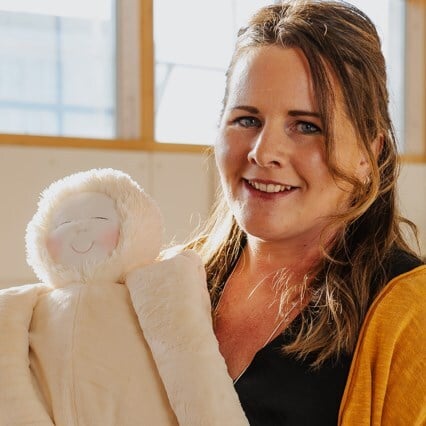
Dr Jac Fennell
HUG by LAUGH, United Kingdom
HUG® meets SmartSocks®: evidence-based innovation transforming dementia care in the UK and Netherlands
DAY 2 • STREAM G
The collaboration of HUG by LAUGH® and Milbotix SmartSocks® represents a ground-breaking, evidence-based approach to dementia care. HUG®, a sensory comfort device co-designed through the AHRC-funded LAUGH project at Cardiff Metropolitan University, UK, combines soothing tactile stimulation that provides the reciprocal experience of giving and receiving a hug. It has a simulated heartbeat, and customizable music.
SmartSocks® are a newly launched innovation developed through research at UWE Bristol and University of Bristol UK. They monitor physiological indicators of stress and anxiety, offering real-time, quantitative insights into a wearer’s emotional state. By integrating HUG® with SmartSocks® it has enabled rigorous evaluation of HUG®’s calming effects, producing data-driven evidence to support its adoption as a non-pharmacological intervention.
Evaluations in the UK and the Netherlands have delivered significant results showing that HUG can promote better sleep, improve mood, enhance engagement and social connection, and in some cases reduce medication use by decreasing agitation. Both HUG® and SmartSocks® have received funding and support from Alzheimer’s Society and UK Government Research and Innovation.
This presentation shares findings from the collaboration’s recent feasibility studies and highlights how these innovations can inform policy, advance compassionate non-pharmacological care, and inspire best practice in dementia and palliative support internationally.
Presenters
Dr Jac Fennell
HUG by LAUGH, United Kingdom
DAY 1 • STREAM B
Programs and interventions implemented to address the behavioural and psychological symptoms of dementia: a focused review
Kassandra Wood
Providence Care Hospital, Canada
Programs and interventions implemented to address the behavioural and psychological symptoms of dementia: a focused review
DAY 1 • STREAM B
This review synthesised evidence on programs, models of care, and interventions implemented in hospital and long-term care settings to manage the behavioural and psychological symptoms of dementia (BPSD).
A focused literature review was conducted to identify hospital-based interventions for BPSD. Review questions were developed with leadership at Providence Care Hospital. With librarian support, a structured MEDLINE search identified studies published from January 1, 2010, to March 18, 2025. Two reviewers independently screened and extracted data using Covidence software.
Eighteen studies met inclusion criteria, representing pharmacological, non-pharmacological, environmental, educational, and specialty unit interventions. Non-pharmacological and person-centred approaches—such as music therapy, virtual reality, and environmental modifications—reduced agitation and aggression. Deprescribing antipsychotics was feasible and safe when guided by structured protocols. Staff education improved confidence and communication, though consistent patient outcome improvements were not established.
Findings were reviewed relative to a real-world model of care on a 30-bed behavioural psychiatry unit in Canada to inform ongoing model development.
Managing BPSD in hospital settings is complex. Individualized, interdisciplinary, and person-centred interventions show promise, but further work is needed to adapt evidence-based strategies to patient populations, settings, and available resources.
Presenters
Kassandra Wood
Providence Care Hospital, Canada
DAY 1 • STREAM F
Prevalence of dementia in people with intellectual disability: a linked data study in New South Wales, Australia
Dr Rachael Cvejic
UNSW, Australia
Prevalence of dementia in people with intellectual disability: a linked data study in New South Wales, Australia
DAY 1 • STREAM F
People with intellectual disability experience higher rates of dementia, often with younger onset than people without intellectual disability. Understanding the prevalence of dementia in people with intellectual disability is critical for informing service planning and policy development, but population-level estimates in Australia are limited.
We will determine the annual prevalence of dementia (2012-2021) among people with intellectual disability in New South Wales (NSW) and forecast predicted prevalence up to the year 2070. We are using an existing linked dataset comprising health and human services records for ~97,000 people with intellectual disability and ~450,000 comparators without intellectual disability. We will determine dementia diagnoses using the NSW Admitted Patients Data Collection (2001-2021), NSW Mental Health Ambulatory Data Collection (2001-2021), and Pharmaceutical Benefits Scheme Data Collection (2012-2024). We will estimate annual dementia prevalence among people with intellectual disability (2012-2021), stratified by age, sex, and congenital syndromes such as Down syndrome. We will use forecasting models to estimate prevalence trends through to 2070. Results will be presented at the conference.
Findings will inform health and disability services, workforce and infrastructure planning, and the development of interventions and policies to meet the needs of people with intellectual disability living with dementia.
Presenters
Dr Rachael Cvejic
UNSW, Australia
DAY 2 • STREAM C
Living well with dementia - fact or fiction?

William Yeates
HammondCare, Australia
Living well with dementia - fact or fiction?
DAY 2 • STREAM C
Receiving a dementia diagnosis impacts individuals and their families. Beyond cognitive decline, many individuals experience fear, grief, loss of identity, and uncertainty, due to the progressive and incurable nature of this condition. In response to this negative framing, the phrase "living well with dementia" has recently gained a lot of international attention.
This is evident in a range of global resources and toolkits which focus on those strategies and lifestyle changes that enable one to ‘live well with dementia’. A review of the academic literature reveals that where this phrase is not well understood, it is linked not only to quality of life but also well-being and life satisfaction. Many people living with dementia are uncomfortable with this phrase, and phrases like ‘living a better life' or ‘living the best possible life’ as being more authentic reflections of their experience.
Where they valued the importance of staying socially connected, keeping active, healthy eating and exercising your brain, they stressed that ‘living well with dementia’ won't become a reality unless healthcare systems are able to provide access to appropriate person-centred support programs – based on reablement. As these are currently unavailable in Australia, it is important that this gap is bridged.
Presenters
William Yeates
HammondCare, Australia
DAY 1 • STREAM E
A global view - research and findings on aged care abroad
Lara Calder
Calder Flower Architects, Australia
A global view - research and findings on aged care abroad
DAY 1 • STREAM E
As an architect who designs and is passionate about designing for aged and dementia care in Australia, I regularly travel abroad to research care buildings in different countries. This research includes travel to Paris , Norway, Copenhagen, Portugal and Spain in the last 3 years. I have researched numerous aged care typologies and distinctly different approaches to providing quality care in different buildings and environments.
This abstract proposes to showcase some examples and my observations of the merits and shortcomings in my own opinion regarding;
• design quality and architectural expression
• building form, scale and character
• construction methodologies
• design for dementia
• landscape quality
• interface with the public domain
• interior comfort, way finding and use of colour
• institutional and operational visibility
In summary, the projects that will be presented are;
Paris, France
These developments are urban models of multi-storied aged care accommodation.
Norway and Copenhagen,
Norway has excellent models for dementia villages to showcase
Portugal and Spain
This is a different approach to the balance between architectural expression and purposeful dementia care
Examples overseas offer excellent insights into new ways of planning and building meaningful ageing communities that Australia can learn from.
Presenters
Lara Calder
Calder Flower Architects, Australia
DAY 2 • STREAM F
Reimagining dementia care: Whiddon's groundbreaking pilot with Memory Bridge
Karn Nelson
Whiddon, Australia
Reimagining dementia care: Whiddon's groundbreaking pilot with Memory Bridge
DAY 2 • STREAM F
Emotional isolation remains a significant but often overlooked dimension of life with dementia, especially in residential care. Research shows that emotional connection is as essential to wellbeing as clinical and physical care, improving mood, reducing distress and associated behaviours, and strengthening staff confidence and job satisfaction. Yet creating the conditions for meaningful connection is challenging. Time pressures, rostering patterns, and care minutes can limit opportunities for carers to be fully present with residents.
To address this, Whiddon has partnered with Memory Bridge, an international non-profit organisation based in the United States with extensive experience in cultivating relationship-based dementia care. Together we are conducting a three-year pilot designed to embed structured moments of focused, relational attention into daily practice. These moments—expressed through words, eye contact, touch, or a shared sense of ease—aim to foster belonging and reduce emotional isolation.
The presentation will outline the pilot’s design, the training and support model, and how this aligns with Whiddon’s commitment to relationship based care. Interim findings from the pilot Home will be shared, demonstrating the impact of integrating meaningful connection into everyday routines and offering a sustainable pathway for enhancing the emotional lives of residents and those who care for them.
Presenters
Karn Nelson
Whiddon, Australia
Michael Verde
Memory Bridge, United States
DAY 2 • STREAM B
The imperative of storytelling for quality of life and true person-centred care
Briget Kelly
Rhiannon's Service, Australia
The imperative of storytelling for quality of life and true person-centred care
DAY 2 • STREAM B
In recent years, the concept of ‘story’ has increasingly been used in media and marketing, and other industries such as science and politics, as a method of selling, creating awareness, educating, and building connection. There are salient reasons behind this use of ‘story’ which validate the use of storytelling in human services, including to support older people with dementia.
‘Quality of life’ and ‘person-centredness’ are fundamental to the care of older people with dementia, explicitly mentioned in Standard 1 of the Aged Care Quality Standards, and Principles of care 1 and 2 of the Clinical Practice Guidelines and Principles of Care for People with Dementia. Yet ‘quality of life’ remains an elusive concept to understand due to its subjectivity; and in a compliance-heavy system with stretched resources, ‘person-centred’ is often a box-ticking exercise rather than a care relationship of “trust and mutual respect”.
This presentation explains how quality of life can be better understood through the model of 'Being, Belonging, Becoming'. It highlights the science behind the power of storytelling. And discusses how various activities, therapies, roles, and professions that harness story and storytelling can enable truly person-centred care, and ultimately support better quality of life for people with dementia.
Presenters
Briget Kelly
Rhiannon's Service, Australia
DAY 1 • STREAM B
Implementing small-scale inspired changes in traditional residential care facilities: what implementation strategies contributed to the implementation process?

Sarah Rahimaly
Université De Sherbrooke, Canada
Implementing small-scale inspired changes in traditional residential care facilities: what implementation strategies contributed to the implementation process?
DAY 1 • STREAM B
Culture change process enables residential care facilities (RCFs) to better meet needs of people living with major neurocognitive disorders. Multiple traditional RCFs wish to implement best practices inspired by international small-scale models, even with limited resources.
The objective of this study is to understand the implementation process of such practices, experienced by practitioners and managers working in a Quebec RCF. With an action research approach and a mixed sequential explanatory design, this study documented the implementation of practices, with the tool Artifact of Culture Change 2.0, followed by observations, field notes, and walking interviews with partners involved in this process.
The implementation strategies targeted: 1) training, field support to integrate training content in practice; 2) mobilization of champions to lead implementation and sustainability; 3) accessibility of information with the diffusion of training capsule and the strategic placement of development of tools as well as memory aids and; 4) strategic support to respect the institution's capabilities, like helping with staff from the research team, recommendation of adapted furniture. To integrate practices that promote engagement in everyday care, RCFs should be considered responsible and experts in developing the skills of their own teams, with timely and strategic support.
Presenters
Sarah Rahimaly
Université De Sherbrooke, Canada
DAY 1 • STREAM C
Advocacy as a seriously underestimated element in the system of care for people with young onset dementia
Bronwyn Morkham
Young People in Nursing Homes National Alliance, Australia
Advocacy as a seriously underestimated element in the system of care for people with young onset dementia
DAY 1 • STREAM C
This session will explore the high demand for individual advocacy identified by the YPINH Alliance among people living with young onset dementia. Advocacy was recognised as a key component of the system of care for young onset dementia in Australia, as developed through the Joint Solutions Project. However, there is currently no funded specialist advocacy to support the wide range of complex issues faced by this group.
The Alliance provides pro bono individual advocacy, supporting people to resolve issues, access services, and successfully enter the NDIS. In addition, a significant number of NDIS appeal cases are currently before the Administrative Review Tribunal. The absence of dedicated advocacy reflects the low profile of young onset dementia as a distinct neurological disability. Bronwyn will share insights from the Alliance’s case experience and highlight the growing advocacy gap, which has become increasingly evident.
Presenters
Bronwyn Morkham
Young People in Nursing Homes National Alliance, Australia
DAY 2 • STREAM A
The use of restrictive practices with people with dementia and delirium in old-age psychiatric settings in Scotland

Sasha Lewis-Jackson
University of Edinburgh, Scotland
The use of restrictive practices with people with dementia and delirium in old-age psychiatric settings in Scotland
DAY 2 • STREAM A
Restrictive practices such as seclusion, restraint, and rapid tranquillisation, are used in mental health settings to address behavioural and psychological symptoms of dementia (BPSD). Due to the negative impact these practices have on patients and staff there is a drive to reduce their use. However, there is limited understanding of their application and impact on those living and working in old-age psychiatric settings in Scotland.
This study examines how patients, caregivers, and staff experience restrictive practices on old-age psychiatric wards in Scotland, using a focused ethnographic approach. Through semi-structured interviews and participant observations on two old-age psychiatric wards, we identified types of restrictions and their triggers.
Preliminary results indicate that restrictive practices such as locked doors, covert medication and restraint are used. Early indications suggest alternative methods like redirection, psychological input, and understanding patients' histories can alleviate patients’ distress and increase staff and caregiver satisfaction regarding patient care. However, external factors like staffing, patient levels, and policies on discharge and guardianship appear to hinder the use of these alternatives and prolong patient’s time in restrictive environments.
This work is expected to inform a decision-making framework for clinicians, promoting evidence-based changes to improve care and reduce reliance on restrictive practices.
Presenters
Sasha Lewis-Jackson
University of Edinburgh, Scotland
DAY 1 • STREAM A
Low-tech, high-impact: gramophone interaction as dementia therapy
Yoshiharu Masuda
Former professor
Nagoya Gakuin University,
Japan
Low-tech, high-impact: gramophone interaction as dementia therapy
DAY 1 • STREAM A
When the gramophone arrived in Japan in 1878, it was called a “speech-resurrecting machine” — a phrase that still describes what happens when a familiar voice rises from the gramophone. As Berliner noted in 1888, hearing these voices can feel like “holding communion with immortality,” a sensation often noticed by the residents I work with.
The findings draw on more than 100 gramophone-based sessions in Japan and 43 sessions in Sydney. These observations extend my earlier work presented at the European Music Therapy Conference (Masuda, 2016), where gramophone listening often evoked personal stories, including memories unknown even to long-term carers. Across these encounters, the gramophone brought moments of serenity, a smile, a whispered memory, or a simple remark such as “like good old days.”
Most importantly, this method requires no musical training. Any care worker with a passion for sound — and a gramophone with a few 78 rpm records — can create meaningful moments of comfort, memory, and presence.
Presenters
Yoshiharu Masuda
Former professor
Nagoya Gakuin University,
Japan
DAY 1 • STREAM D
Surfing the waves of human consciousness: complementary creative arts practice in acute dementia care settings
Benjamin Hayward Segal
Creative Arts 4 Good, Australia
Surfing the waves of human consciousness: complementary creative arts practice in acute dementia care settings
DAY 1 • STREAM D
This paper explores the role and outcomes of weekly creative arts practice in acute dementia and palliative care, where language fades yet connection remains possible through gesture, rhythm and shared presence. For over 25 years, I have engaged people living with advanced dementia and their families in bespoke creative encounters: singing songs, inviting movement, sharing stories and, at times, simply swaying or holding hands when words are no longer available.
Acute dementia units and end-of-life spaces are rarely framed as places for creative expression, yet they are where families most need support to say goodbye in a dignified way. Drawing on my background as a stage actor and singer, I outline a stagecraft-informed approach that reads physical cues and uses music, rhythm and embodied empathy to create “safe stages” where families, patients and staff can meet, grieve and remember together.
This work shows how play, song and movement can act as a therapeutic bridge for final farewells, helping families feel included rather than helpless. I argue for greater training and adoption of these practices in line with clinical research and best practice. Including institutional support so clinical teams can confidently integrate creative arts practice into palliative and acute dementia care.
Presenters
Benjamin Hayward Segal
Creative Arts 4 Good, Australia
DAY 2 • STREAM F
Care beyond control: personhood and the logic of dementia care
Michael Verde
Memory Bridge, United States
Care beyond control: personhood and the logic of dementia care
DAY 2 • STREAM F
This presentation examines why people in care can be safe, calm, and well-managed—and still be suffering. It advances two connected claims. First, institutional dementia care is largely organized to manage behaviour: to meet biological needs efficiently, reduce risk, and produce predictable outcomes. Second, personhood is not sustained by effective instrumental care, but by encounters in which one feels oneself recognized as a centre of experience—rather than managed, even with kindness or skill. These two logics are fundamentally misaligned.
As a result, care systems can function smoothly while quietly eroding the conditions required for personhood to endure. The talk examines how this structural misalignment shapes everyday care and shows what changes when encounter, rather than management, becomes the organizing principle of at least one meaningful interaction a day with people with dementia in residential care.
Presenters
Michael Verde
Memory Bridge, United States
DAY 1 • STREAM G
6D Dementia: embedding evidence and empathy through digital innovation
Dr Frances Duffy
6D-Dementia, Northern Ireland
6D Dementia: embedding evidence and empathy through digital innovation
DAY 1 • STREAM G
6D Dementia addresses these challenges through digital delivery and an evidence-based approach that places empathy at the centre of care. The CPD-accredited programme equips staff and families with a simple framework - “What’s happening? Why? What to do?”- to understand situations from the perspective of the person with dementia and respond with confidence and consistency. Co-designed with people with dementia, families, and frontline staff, it ensures relevance to practice.
6D consists of three elements: bite-sized online modules, care-planning workshops, and leadership and implementation support.
Commissioned in the UK through an Integrated Care Board, 6D has reached 400 staff in 10 organisations. Evaluation to date found 94% reported greater understanding and 100% increased confidence in supporting colleagues. These gains are designed to reduce distress, support families, cut admissions, lower antipsychotic prescribing, and strengthen workforce resilience.
As a scalable digital approach used across community, acute, and long-term care, 6D has the potential to enhance workforce capability and improve the lived experience of dementia care.
Presenters
Dr Frances Duffy
6D-Dementia, Northern Ireland
DAY 2 • STREAM C
From prevention to reablement: the transformative role of resistance training in dementia
Dr Tim Henwood
AgeFIT Solutions, Australia
From prevention to reablement: the transformative role of resistance training in dementia
DAY 2 • STREAM C
Exercise is irrefutably the most powerful intervention available to support the health and wellbeing of older adults. However, not all exercise is created equal. Progressive Resistance training, even when commenced very late in life, promotes muscle and bone health, and is essential to enhancing independence. Beyond its well-established impacts on physical wellbeing, evidence is strengthening regarding its unique effect on chronic disease, including the prevention and slowing of cognitive decline, and improving the lives of those already living with dementia.
Unlike pharmacological options, resistance training improves cognition with minimal risks, instead producing profoundly desirable “side effects” including increased strength, mobility, mood, and quality of life. It is accessible and adaptable across cultures and socio-economic contexts and can be undertaken using body weight or within more structured environments such as gyms. However, it remains a significantly t underutilised tool to enhancing wellbeing.
Dr Henwood and Dr Inskip bring decades of combined expertise spanning clinical trials to translational practice, that demonstrate you are never too old, sick or frail to benefit from robust resistance training. Our presentation will explore the evidence, highlight real-world applications, and provide delegates with practical, scalable strategies to embed meaningful resistance training within dementia prevention and reablement pathways.
Presenters
Dr Tim Henwood
AgeFIT Solutions, Australia
Dr Michael Inskip
Exercise physiologist, Australia
DAY 1 • STREAM E
Evaluating virtual reality for people with dementia during acute hospital admission

Dr Amy Montgomery
UTS, Australia
Evaluating virtual reality for people with dementia during acute hospital admission
DAY 1 • STREAM E
Building on a successful feasibility study, we are conducting a pilot randomised controlled trial (RCT) to evaluate a personalised VR intervention (NeuronsVR) aimed at reducing BPSD symptoms, antipsychotic medication use, and adverse patient outcomes. This is the first RCT in Australia to examine VR therapy for people with dementia and BPSD in hospitals.
The intervention provides short (three to ten minutes), daily immersive VR experiences delivered by trained staff at the bedside (for up to 11 days). These experiences are tailored to the individual and may include familiar places, nature scenes, or calming environments. The RCT will assess preliminary effectiveness, including antipsychotic medication use, BPSD symptoms, falls and length of hospital stay. This presentation will share emerging insights from the trial, including experiences implementing VR within the complexities of an acute hospital.
Presenters
Dr Amy Montgomery
UTS, Australia
DAY 2 • STREAM E
Dementia in bloom: cultivating person-centred support through symbolic design
Jo Young
ECH Inc, Australia
Dementia in bloom: cultivating person-centred support through symbolic design
DAY 2 • STREAM E
Dementia in Bloom introduces a novel visual framework for in-home and community-based dementia support services. Inspired by the universal symbolism of flowers in dementia care, this personal story is a narrative of growing and tending to a dementia support service at ECH which translates theory into practice. At its core is a vibrant bloom—representing the person living with dementia—surrounded by radiating petals that reflect diverse needs and the service and care that support them. This metaphor anchors a model that places empathy, dignity, and respect at the heart of care, while encouraging multidisciplinary collaboration across settings.
Developed in response to Australia’s evolving aged care landscape, this framework aims to help individuals remain confident and connected in familiar environments. By reimagining domestic spaces as nurturing and empowering, the model supports independence and reinforces personhood. Implementing such a service, however, requires navigating complex terrain: aligning clinical standards with personalisation, coordinating across disciplines, and adapting to varied home environments and cultural contexts. With clinical and social care needs increasingly intertwined, services must be flexible, sustainable, and deeply human. This paper invites care providers, clinicians, and community members to view dementia support as an opportunity—to grow connection, purpose, and joy from the inside out.
Presenters
Jo Young
ECH Inc, Australia
DAY 2 • STREAM B
Understanding how music therapists navigate multicultural practice with culturally minoritised individuals with dementia and their family carers

Zhengyao Guo
University of Melbourne, Australia
Understanding how music therapists navigate multicultural practice with culturally minoritised individuals with dementia and their family carers
DAY 2 • STREAM B
Although music therapy in dementia care is well researched, little is known about how it is applied in multicultural contexts. The scarcity of literature presents a knowledge gap in how music therapy is currently being practiced with culturally minoritised people with dementia.
To address this gap, our research team conducted a critical qualitative inquiry, which examined how music therapy practitioners negotiate the complexities of multicultural practice with culturally minoritised people with dementia and their family carers. Six registered music therapists were recruited to take part in one-on-one semi-structured interviews. A critical thematic analysis was used to analyse how they make sense of their clinical work with this population amid wider social and structural forces.
This presentation will outline the study and share key insights from a critical thematic analysis. It highlights the complexity of multicultural music therapy practice through the perspectives of practitioners working with culturally minoritised people with dementia and their family carers. The study explores not only what music therapists do in practice, but also the often-unheard experiences behind the scenes- the motivations, concerns, and contextual factors shaping their clinical practice in this area.
Presenters
Zhengyao Guo
University of Melbourne, Australia
DAY 2 • STREAM G
Relational communication in dementia care: supporting identity, autonomy and inclusion for ethnically diverse older adults
Agnieszka Chudecka
Flinders University, Australia
Relational communication in dementia care: supporting identity, autonomy and inclusion for ethnically diverse older adults
DAY 2 • STREAM G
Communication in dementia care is often framed as a technical challenge—solved through interpreter access or translated materials. Yet for older adults from ethnically diverse communities, language barriers are deeply relational, affecting trust, autonomy, and emotional wellbeing. This presentation introduces a relational model of communication that reframes communication difficulties, language reversion and care navigation as identity-affirming processes requiring continuity, empathy, and cultural understanding.
Drawing on a qualitative systematic review of 51 international studies and early findings from a PhD study on older Polish Australians living with dementia, the presentation explores how evolving care needs intersect with ageing in place. It highlights the role of family and chosen support networks in bridging communication gaps and co-creating culturally safe care environments. The RECAP framework (Relationships, Empathy, and Cultural understanding through Access and Participation) is proposed as a practical model for embedding relational communication into dementia care.
The presentation will share lived experience insights, policy implications, and practice recommendations for workforce development, service design, and community engagement. It contributes to the broader conversation on personhood, dignity, and inclusion in dementia care—moving beyond compliance to connection.
Presenters
Agnieszka Chudecka
Flinders University, Australia
DAY 2 • STREAM B
The science of movement, the art of memory - dance movement therapy for people living with mild cognitive impairments and their caregivers
Ann Way
University of Auckland, New Zealand
The science of movement, the art of memory - dance movement therapy for people living with mild cognitive impairments and their caregivers
DAY 2 • STREAM B
Our research employs a qualitative inquiry using semi-structured interviews with three key stakeholder groups: dance movement therapists, healthcare practitioners, and caregivers or care partners of individuals with MCI. Thematic and cluster analyses are used to identify core themes that inform the development of a culturally responsive DMT pilot programme tailored to individuals with MCI in New Zealand. By incorporating creative arts therapies into early intervention and prevention strategies, this paper presents a fresh and innovative approach to supporting cognitive health and advancing dementia care.
Presenters
Ann Way
University of Auckland, New Zealand
DAY 2 • STREAM B
Our voices are valued: Transformative experiences of Walking the Talk for Dementia
.jpg)
Prof Sherril Gelmon
Portland State University, United States
Our voices are valued: Transformative experiences of Walking the Talk for Dementia
DAY 2 • STREAM B
Walking the Talk for Dementia (WTD) is a global initiative that challenges the stigma surrounding dementia, fosters intergenerational dialogue while walking in nature, and promotes reflection through shared experiences and creativity. This annual weeklong immersive program combines a 4-day, 40-kilometer walk with a 2-day symposium, bringing together up to 80 diverse participants from 25+ countries, including people living with dementia, care partners, clinicians, researchers, artists, and advocates.
Findings from a mixed-methods study in 2024/2025 demonstrated that WTD promoted empathy, dissolved power differentials, and built trust. A label-free, non-hierarchical community was created, valuing all voices while celebrating individual identity. Participants developed new perspectives on identity, stigma, and advocacy, often describing the experience as life-changing. Collectively, participants gained deeper understanding of the challenges and joys of people with lived experience of dementia. This context is unlike other dementia events, engaging people living with dementia and their care partners and creating an ongoing network for support and information exchange.
WTD was experienced as transformative by many participants, immersing individuals in shared reflection on dementia. The presentation will highlight several individuals’ experiences, including people living with dementia. WTD is an innovative platform that values vulnerability and expertise, fostering deep connections in a welcoming environment.
Presenters
Prof Sherril Gelmon
Portland State University, United States
Natalie Ive
Dementia Australia Advisory Committee, Australia
Michelle Steele
Paul Ramsay Foundation, Australia
DAY 1 • STREAM F
“I can decide”: supporting people with intellectual disability to make decisions about health care, aging and end of life

David Pech
Council for Intellectual Disability, Australia
“I can decide”: supporting people with intellectual disability to make decisions about health care, aging and end of life
DAY 1 • STREAM F
People with intellectual disability are at increased risk of developing dementia (Evans and Troller 2018, ‘Dementia in people with Intellectual Disability: Guidelines for Australian GPs’). People with intellectual disability are also likely to develop dementia from a much younger age. People with intellectual disability have the right to make decisions about their health care, aging and end of life, just like everyone else.
This presentation is about:
• how to communicate with people with intellectual disability about health care, aging and end of life.
• how to use a supported decision making approach to empower people with intellectual disability to make their own decisions about health care.
• how to support people with intellectual disability to make their own decisions about their end of life, including through advance care planning.
The presentation will:
• model best practice for inclusion.
• share lived experiences.
• promote tools for person-centred practice.
This presentation will include a presenter with intellectual disability who will speak from their lived experience. They will share what support they want and need when they are making decisions about health care, aging and end of life.
Presenters
David Pech
Council for Intellectual Disability, Australia
Robert Lewis
Council for Intellectual Disability, Australia
DAY 1 • STREAM D
Dementia-friendly ambulance services
Lindsay Bent
Ambulance Victoria, Australia
Dementia-friendly ambulance services
DAY 1 • STREAM D
Presenters
Lindsay Bent
Ambulance Victoria, Australia
DAY 2 • STREAM C
Ethical use of innovative technologies for reinventing dementia care in residential care

Divya Anantharaman
University of Queensland, Australia
Ethical use of innovative technologies for reinventing dementia care in residential care
DAY 2 • STREAM C
In residential care, innovative technologies like robotic pets and virtual reality are reinventing dementia care to support psychosocial well-being. Despite increasing interest in these technologies, their use has raised ethical concerns in dementia care.
The purpose of this study is to understand end-users’ perceptions on what constitutes ethical use of innovative technology in dementia care within residential care. A qualitative study was conducted, using constructivist grounded theory methodology. Five in-depth interviews and four focus group discussions were conducted with people living with dementia, their family members, and residential care staff. Discussions were guided by vignettes depicting ethical dilemmas in innovative technology, developed from a literature review. Data were audio-recorded, transcribed and analysed with the multidisciplinary research team.
Twenty-one participants were recruited, including nine family members, seven people living with dementia, and six aged care staff. Preliminary analysis demonstrates that end-users perceive ethical technology use as respecting resident preferences, fostering collaborative decision-making, and implementing practices to mitigate situations where innovative technology use has been argued to provoke moral distress. Further analysis will generate theoretical concepts explaining how end-users perceive ethical technology implementation.
The findings will inform policy and practice for ethical implementation of technology in dementia care and in next-generation residential care approaches.
Presenters
Divya Anantharaman
University of Queensland, Australia
DAY 2 • STREAM A
The reluctant resident: caught out by unwelcome, unplanned and untidy decline
Shelley Jones
Learn-ability limited, New Zealand
The reluctant resident: caught out by unwelcome, unplanned and untidy decline
DAY 2 • STREAM A
An older person whose firm plan is to wake up one morning, dead in their own bed in their own home, may resist entertaining residential care as Plan B. But an unwelcome health event, hastened by, and accelerating an unplanned and untidy decline, may mean exactly Plan B.
Shelley will share what she has learned as a daughter supporting an ancient mother to go where she did not want to go:
First, persuade your parent to choose the facility they dislike the least, even though Plan A means they won’t need it. Second, remember that your parent promised they’d be kicking and screaming if they had to go into residential care. Third, know that the people caring for your parent have chosen this as their work. Fourth, your parent’s dementia is uncharted territory, but just sometimes, dementia is your friend. Fifth, to be ‘sociable and pleasantly confused’ may be lonely and not at all pleasant for the confused person.
Integrating research findings with her professional involvement in aged care and lived experience, Shelley will invite your reflection on what the resident and family experience can tell us about supporting transition for the reluctant resident.
Presenters
Shelley Jones
Learn-ability limited, New Zealand
DAY 1 • STREAM A
The power of connection: First Nations ways transforming person-centred dementia practice
Kathleen Bright
Anglicare Southern Queensland, Australia
The power of connection: First Nations ways transforming person-centred dementia practice
DAY 1 • STREAM A
As aged care in Australia moves away from Western medical model and towards a person centric biopsychosocial model of care – a question arises. Do any of the Western approaches fit the needs of people living with dementia? This project has explored what a First Nations approach can teach us including dementia care as a whole. By taking a First Nations approach that honours traditional ways of knowing, being and doing and respects the integral role of country, story, culture, community and law a new picture of personhood for people living with dementia begins to emerge.
Our aged care staff are trained to have a rich understanding of how First Nations ways are person-centred and holistic approaches that honour body, mind, soul and spirit. By doing this we are creating an environment that goes beyond cultural compliance into a space that can inform broader dementia care frameworks through practice, as opposed to a policy down approach.
This pilot project draws on professional expertise and lived experience by First Nations people. It is an opportunity to re-think and reconsider the way we look at true person centred care and how this can apply to our broader approach to dementia care.
Presenters
Kathleen Bright
Anglicare Southern Queensland, Australia
Felicity Dougherty
Anglicare Southern Queensland, Australia
DAY 1 • STREAM D
More than a checked box: informed consent for psychotropics in residential aged care
Georgina Osborne
University of Southern Queensland, Australia
More than a checked box: informed consent for psychotropics in residential aged care
DAY 1 • STREAM D
Informed consent and the right to choice is an essential component of person-centred care, especially within the Residential Aged Care setting. Psychotropic medication use carries higher risks for older people and people living with dementia, compared to the general population, and older people disproportionately rely on the support of others when making decisions relating to their medication and healthcare.
An integrative review of contemporary Australian literature was conducted using Kutcher and LeBaron’s integrative review method, and findings were analysed using Braun and Clarke’s reflexive thematic analysis process. Findings revealed a range of factors that influence psychotropic consent experiences across five domains (broader paradigm, translation to practice, culture and context, accepted care standard and individual practice) through a lens of incongruence between expectation and reality. Understanding the factors that influence experiences of psychotropic consent can assist researchers, policymakers and clinicians to focus change making and innovation activities to address these factors from a systemic to individual level.
Presenters
Georgina Osborne
University of Southern Queensland, Australia
DAY 1 • STREAM G
Care with confidence: a dementia care pathway grounded in evidence and lived experience
Joanne Wagner
Australian Nursing and Midwifery Federation, Australia
Care with confidence: a dementia care pathway grounded in evidence and lived experience
DAY 1 • STREAM G
The DCP emerged from observations of dementia care in practice, leading to a collaboration with the Rosemary Bryant AO Research Centre. The DCP was designed to establish a standardised, person-centred approach grounded in non-pharmacological strategies. It aimed to support a consistent, equitable, evidence-informed clinical pathway with tailored non - pharmacological strategies unique to the lived experience of each person.
Implementation of the DCP revealed challenges, implementation in the complexity of aged care environments, pressures of sector reform, staff turnover and difficulties in capturing meaningful outcomes.
Despite these barriers, case scenarios demonstrated genuine improvement in quality of life for individuals, highlighting the transformative impact of compassionate, individualised care. The pathway encouraged staff to move beyond task-based routines, fostering deeper understanding and connection with each person’s story and needs.
This study demonstrates how partnerships can drive meaningful change in daily practice. It identifies key lessons to broaden understanding of how to support sustainable, personalised dementia care.
Presenters
Joanne Wagner
Australian Nursing and Midwifery Federation, Australia
Prof Marion Eckert
RBRC, Australia

Lachlan Darch
Rosemary Bryant AO Research Centre, Australia
DAY 2 • STREAM D
Great care everywhere: enhancing workforce capability for dementia care across Australia
Dr Isabelle Meyer
Dementia Training Australia, Australia
Great care everywhere: enhancing workforce capability for dementia care across Australia
DAY 2 • STREAM D
The new Aged Care Act has a human rights focus for the delivery of Aged Care. However, it does not provide for minimum standards of knowledge and skills for any care worker or health care professional in relation to Dementia. Given that gap, Dementia Training Australia has developed the National Dementia Education and Training Standard Framework. The Framework outlines the skills and knowledge needed for care workers to provide excellence in care, whatever their care setting.
This presentation discusses how the Framework is being used to build a skilled, confident and resilient health workforce, supporting those living with Dementia and improving access and equity of care across Australia.
Looking at evaluation data from around 10,000 instances of training, we’ll discuss the importance of training to assist with managing changes in behaviour, effective pain management and the importance of enabling the workforce to observe and de-escalate. Staff training is not just a reporting requirement: the evidence is that Dementia training is a major tool for enhancing staff and patient/resident safety and well-being, it is also critical to supporting effective risk management.
Our focus is on the lessons learned about what works, and how we can apply that to enable great care, everywhere.
Presenters
Dr Isabelle Meyer
Dementia Training Australia, Australia
DAY 2 • STREAM D
Person-centred behaviour support planning
Loren de Vries
Aged Care Quality and Safety Commission, Australia
Person-centred behaviour support planning
DAY 2 • STREAM D
Behaviour support starts with knowing the person and requires careful assessment, planning and partnership. An effective behaviour support plan goes beyond just having a document in place or recording basic detail about a person such as where they were born or their likes or dislikes.
This presentation will cover important aged care practice principles and requirements for person-centred behaviour support planning, a rights-based approach and outline what is best practice, legislative responsibilities and what this looks like in practice to meaningfully support the older person to live their best life. The behaviour support planning process requires ongoing review, implementation and evaluation including when incidents occur to improve behaviour support planning and person-centred care to prevent incidents from happening or reoccurring.
Presenters
Loren de Vries
Aged Care Quality and Safety Commission, Australia
Megan Cox
Aged Care Quality and Safety Commission, Australia
DAY 1 • STREAM E
People living with dementia and their care partners tell their stories through songwriting
A/Prof Imogen Clark
University of Melbourne, Australia
People living with dementia and their care partners tell their stories through songwriting
DAY 1 • STREAM E
Songwriting stimulates fresh thinking, offering people living with dementia and their care partners opportunities for authentic connection and creative expression. This presentation explores ideas and perspectives communicated by people living with dementia and their care partners through songs written during an online therapeutic songwriting (TSW) project.
Nine participant pairs engaged in a 10-week online TSW program (4 sessions as a pair and up to 6 group sessions with 2-3 other pairs). Thematic analysis explored lyrical content from 36 created songs. Five inter-related themes were developed. 1) Personal identity and legacy: exploring past and current characteristics and autobiographical recall of life phases, careers, significant memories and experiences. 2) Global engagement: travel, holidays, emigration, culture, and food. 3) Relationships: current and past close, formal and informal. 4) Citizenship and agency: naming and processing challenging feelings, emotions, concerns, and perspectives. 5) Everyday life experiences and activities: songs to prompt thinking and support routines.
Song lyrics communicated rich insights, revealing each songwriter’s unique capacity, identity, and history. Ideas presented in the songs have potential to challenge and change current stigmatising social assumptions and offer suggestions for improving how people living with and alongside dementia experience life.
Presenters
A/Prof Imogen Clark
University of Melbourne, Australia
Dr Kathleen Lawson
Life Rhythm Integrated Healthcare, Australia
DAY 2 • STREAM E
Maharlika lodge: Australia's first Filipino dementia respite home
Corina Dutlow
Australian-Filipino Community Services, Australia
Maharlika lodge: Australia's first Filipino dementia respite home
DAY 2 • STREAM E
Australian-Filipino Community Services (AFCS) is a specialised aged care organisation supporting Filipino communities in Victoria. In 2023, AFCS was selected as one of 14 organisations to deliver an innovative respite care model through the Improving Respite Care for People with Dementia and their Carers grant from the Australian Government's Department of Health, Disability and Ageing.
The Maharlika Lodge™ Overnight Respite Program provides culturally specific, client-centred care for Filipinos living with dementia and their carers. Delivered across metropolitan and regional Victoria, the program offers overnight stays supported by Filipino speaking staff, cultural meals, activities, and in language health education. It emphasises continuity of care between home and respite, fostering trust, wellbeing, and cultural safety. Filipino geriatricians and dementia specialised clinicians provide onsite consultations, making Maharlika Lodge™ a trusted hub for culturally safe dementia care.
From July 2023 to June 2025, the program supported 349 participants, 201 people with dementia and 148 carers. 207 were first time users, while 161 accessed repeat respite. Activities grew from 25 (2023 24) to 33 (2024 25), demonstrating service growth and responsiveness. The Maharlika Lodge™ model offers a replicable framework for embedding cultural responsiveness into dementia care worldwide.
Presenters
Corina Dutlow
Australian-Filipino Community Services, Australia
Jamie Lalwet
Maharlika Lodge™, Australia
DAY 1 • STREAM B
Low-tech, high-impact: how simple technology transforms life at home
Paul Colley
HOMELife Technology , Australia
Low-tech, high-impact: how simple technology transforms life at home
DAY 1 • STREAM B
Home is where the heart is and it’s also where we engage with the most technology. Yet for many people living with dementia, everyday technology, once familiar and enjoyable, can create a barrier between them and the very things that can bring independence and joy.
As abilities decline and technology becomes more complex and less familiar, engagement in activities and interests can be lost, and all too commonly depression and loneliness set in. In this session, we will explore:
-The benefits of simple, purpose-designed technology: how it can support confidence, engagement, safety, and independence around the home.
-Global insights, data and feedback from thousands of Australians to highlight the challenges that everyday technology presents for people living with dementia.
-The future of technology in the home: including the growing role of AI, with a balanced view of its opportunities and limitations for dementia-inclusive design.
Bringing together the experience of specialists in both consumer-technology and aged care, we will explore the intersection of how technology and everyday living can become more manageable for someone living with dementia. Attendees will walk away with a fresh understanding of how simple, low-tech, high impact solutions can support the whole person living at home.
Presenters
Paul Colley
HOMELife Technology , Australia
Kate Colley
HOMELife Technology , Australia
DAY 1 • STREAM C
Young onset dementia (YOD) Bright Respite Retreats: filling a gap and building the quality of life and hope for people living with young onset dementia and their families
Naomi Moylan
Brightwater Care Group, Australia
Young onset dementia (YOD) Bright Respite Retreats: filling a gap and building the quality of life and hope for people living with young onset dementia and their families
DAY 1 • STREAM C
For people living with YOD, life looks different to someone diagnosed later in life. They may be working, parenting, have financial commitments and physically fit. They receive little information about YOD and there is no pathway to access services.
Brightwater tailored the Bright Respite Retreat, funded through the Commonwealth Staying at Home Program, to meet the needs of people living with YOD and their families including integrated services and a reablement approach. We first visit each participant at home to understand their needs, goals and preferences. During the three day resort retreat guests engage in activities that keep them physically and cognitively active, building confidence, enjoyment and purpose. Families attend small education and coaching sessions, learning practical strategies and gaining time to rest, reconnect, and feel supported. We also partner with Dementia Australia, YOD WA Impact Network, Allied Health, Dementia Advocates, creative arts and choir groups.
Families describe retreats as life-changing, reducing stress, improving relationships and restoring hope. It also provides an opportunity build peer support and friendships. With 29,000 Australians living with YOD, this shows how tailored programs can transform lives and inspire others to re-imagine support that meets the needs of people living with YOD and their families.
Presenters
Naomi Moylan
Brightwater Care Group, Australia
Michelle Harris
Bright Respite Retreat, Australia
DAY 1 • STREAM G
The Neighbourhood Canberra: how a small group of committed citizens advocated for improved residential care for people living with dementia in the Canberra region
A/Prof Nathan D'Cunha
University of Canberra, Australia
The Neighbourhood Canberra: how a small group of committed citizens advocated for improved residential care for people living with dementia in the Canberra region
DAY 1 • STREAM G
The impetus for forming The Neighbourhood Canberra was the passion of a small group of committed people to improve residential care for people living with dementia in the Canberra region. Our shared vision was to create a dignified, distinctive model of care based on the small household model interconnected with the local community. We brought together local business leaders, academics, health care professionals, and community advocates, each with a personal connection to dementia. The group worked voluntarily and strategically to raise funds, generate awareness, and support research to influence residential aged care policy in the Australian Capital Territory (ACT).
Through education and partnerships, the initiative strengthened community understanding of dementia among stakeholders and advocated for realising our vision. In 2023, a key partnership with HammondCare was formed to consult with the ACT Government for the release of land for this new community. Following setbacks and delays, the ACT Government announced plans for the Curtin Dementia Village in October 2023. This was awarded to HammondCare in October 2025 through a competitive tender process.
This presentation will explore The Neighbourhood Canberra's journey, highlighting lessons learned in stakeholder engagement, advocacy, research, and community enablement to overcome systemic barriers and deliver meaningful change.
Presenters
A/Prof Nathan D'Cunha
University of Canberra, Australia
Dr Jane Thompson
The Neighbourhood Canberra, Australia
DAY 1 • STREAM A
Beyond PowerPoint: experiential palliative care education for the aged care workforce
Rose Sexton
Northeast Health, Australia
Beyond PowerPoint: experiential palliative care education for the aged care workforce
DAY 1 • STREAM A
Good communication across the healthcare workforce, in particular around death and dying, is foundational to better outcomes for clients and for sustainable compassionate practice. Training in this area is often difficult to access, particularly in the aged care workforce.
We debuted a hypothetical workshop at our regional aged care Summit in Victoria in 2024. This approach involved co-design and a cross sector collaboration from palliative care, aged care, and Ambulance Victoria. An interactive and fun approach to teaching palliative care communication skills aimed at the local aged care workforce, we followed “Sadie” with early stage dementia and a recent cancer diagnosis, as she entered an aged care facility, and the conversations that happen, and should happen at this time.
The hypothetical model makes this sometimes intimidating subject safe, fun and reflective, and celebrates the individual approach to communication over a prescriptive model of practice.
Learning outcomes
*starting conversations with clients and carers around death and dying,
*compassionate care of someone who has dementia and
*navigation of Advance Care Planning.
The Hypothetical was very well received in the 2024 summit. Training that is collaborative, interactive and accessible is a great example of a move away from a solely didactic model of learning. This reflective approach proved very impactful and motivational, as well as highly accessible to our target audience. We also see this is a great example of co-design across multiple generalist workforces.
Our presentation will include an overview of our experience with this model and an examination of opportunities for improvement.
Presenters
Rose Sexton
Northeast Health, Australia

Sam Moorhouse
Hume Palliative Care Consortium, Australia
DAY 2 • STREAM G
Contemporary caring - let's chat about the future for carers
Celia Pavelieff
Strategic communications and marketing leader, Australia
Contemporary caring - let's chat about the future for carers
DAY 2 • STREAM G
As a single professional woman - I moved cities, left full time work and have a mortgage - to care for my Mother. I felt the expectation and the wish from my mother to stay in her home.
Similarly other friends and carers are self reliant – reliant on our own selves to care for our aging parents, as well as to ensure we don't become homeless statistics after this season passes. I feel the weight of life and thought perhaps sharing my story may be valuable to talk about now, particularly adding to conversations to ensure systems, policies and processes are in place for carers of all ages, backgrounds and futures.
I've also recently written a system of thinking that I have used to support myself mentally and emotionally during this time – 10 at the table. It imagines a table of 10 and who and what, are at that table to support Mum and I. I've found it helpful and I think others would also find it useful. I would love to share it with other carers to help them.
Presenters
Celia Pavelieff
Strategic communications and marketing leader, Australia
DAY 2 • STREAM D
Enhancing person-centered dementia care with art: the global impact of OMA

Meghan Brady
Scripps Gerontology Center, United States
Enhancing person-centered dementia care with art: the global impact of OMA
DAY 2 • STREAM D
Since 2007, Opening Minds through Art (OMA) has transformed visual arts programming for people living with dementia. Grounded in person-centred philosophy, OMA emphasizes creative autonomy, meaningful relationships, and the artistic potential inherent in every person. Participants living with dementia are paired with trained volunteers to engage in failure-free artmaking that ensures meaningful creations, both celebrated in the moment and preserved as lasting legacies. Supported by 14 peer-reviewed studies, OMA’s evidence-based approach demonstrates benefits for individuals living with dementia as well as for the volunteers who share the experience.
Beyond nursing homes, OMA has expanded globally to organizations seeking to offer inclusive, dignified programming for their communities. Art museums, adult day and respite centers, universities, and long-term care providers across the United States, Canada, Australia, and Indonesia have adopted OMA principles to strengthen dementia-inclusive arts programming, reinforcing its adaptability across diverse cultural and care settings.
This session will provide an overview of the OMA model, highlight key research and evaluation findings, and showcase international adaptations. By demonstrating the value of simple, inclusive creative processes designed to maximize choice and self-expression, OMA has sparked a worldwide shift toward more life-affirming and innovative programs for people living with dementia.
Presenters
Meghan Brady
Scripps Gerontology Center, United States
DAY 2 • STREAM E
Small scale living and the unexpected issues

Shelly Fletcher
Honey Bee Homes, Australia
Small scale living and the unexpected issues
DAY 2 • STREAM E
Honey Bee Homes provides small-scale living for seniors in Northern New South Wales. Currently, we have three homes. Residents receive 24/7 care, and our staff-to-resident ratio is one team member per three residents. Unlike some nursing homes, we do not have locked dementia wards. Two of our homes feature pools, and one has a sloped hill leading to a chicken pen. Instead of set menus, we stock our pantries and fridges, allowing us to adapt our meals based on the residents’ preferences.
Team members do not wear uniforms or name badges, fostering a relaxed and approachable environment. We prioritise engaging in activities both within and outside the home, recognising the significance of creating the “return to home” feeling that can only be experienced after leaving one’s own residence.
Nursing homes frequently encounter workforce shortages. However, our experience is different. Our staff retention rate is 90% and we have never had a role that was difficult to fill. An unexpected issue we have encountered is that although residents desire a home environment, some do not want to share a bathroom or television.
This presentation will explore the issues that distinguish traditional nursing homes from small-scale living.
Presenters
Shelly Fletcher
Honey Bee Homes, Australia
DAY 1 • STREAM E
Occupational therapy in dementia: unpacking evidence-based expertise

Christina Wyatt
Occupational Therapy Australia, Australia
Occupational therapy in dementia: unpacking evidence-based expertise
DAY 1 • STREAM E
Think you know what an occupational therapist does? Think again. Beyond equipment and home modification prescription, discover how OTs expertly bridge the gap between cognitive function and meaningful participation by directly addressing complex challenges at every part of the dementia journey. While medical management addresses biological pathology, quality dementia care hinges on supporting functional independence, sustained engagement, and dignity. This is where OT comes in. This presentation unpacks the range of evidence-based approaches OTs bring to dementia care.
Shining a spotlight on OT expertise across a range of approaches like functional cognition, cognitive rehabilitation, sensory profiling, and environmental adaptation, we will showcase the evidence behind these strategies and the practical application across a range of different scenarios. We’ll explore how, when tailored to the individual, these OT-led approaches fundamentally build and maintain function, safety, and quality of life and compliment the broader health and care team.
Come along and learn how to make the most of the breadth of knowledge and expertise OTs bring in dementia care—because OTs offer significantly more than you think!
Presenters
Christina Wyatt
Occupational Therapy Australia, Australia
DAY 1 • STREAM G
What do LGBTQ+ people living with dementia want and need?

Dr Louisa Smith
Deakin University, Australia
What do LGBTQ+ people living with dementia want and need?
DAY 1 • STREAM G
LGBTQ+ people living with dementia are a heterogeneous group who are more likely to be socially isolated and may have unique social support structures. After lifetimes of personal, structural and systemic isolation, LGBTQ+ people living with dementia are less likely to seek formal support, particularly from heteronormative and cisgenderist aged care providers. The SAGE Dem study is funded by the Medical Research Futures Fund (MRFF) to co-produce a model of care to improve health of sexuality and/or gender diverse people living with dementia.
The first phase of SAGE Dem used an ethnographic inclusive methods toolkit to create case studies with over 20 LGTBQ+ people living with dementia from around Australia. The case studies demonstrate the rich lives that LGBTQ+ people living with dementia have lived and suggest real and imagined possibilities for how to support these in ongoing ways as dementia progresses. The case studies position the centrality of life story sharing, peer support and time in nature as bedrocks to meaningful and rich care. Fears of services based on past, recent and present experiences of discrimination and trauma continue to impact the ways that LGBTQ+ people living with dementia and their carers can access and enjoy formal care settings.
Presenters
Dr Louisa Smith
Deakin University, Australia
DAY 1 • STREAM C
Childhood dementia - raising awareness that kids get dementia too

A/Prof Chris Knifton
De Montfort University, United Kingdom
Childhood dementia - raising awareness that kids get dementia too
DAY 1 • STREAM C
Dementia is an umbrella term accounting for a large variety of differing conditions. Although an increased understanding of dementia in younger adults is growing, often described as young onset, perhaps a lesser-known area of inclusion are the childhood dementias. It is important to remember that 'Kids get dementia too', yet their inclusion in dementia literature, understanding and workforce education is limited.
Over 145 neurological conditions are thought to account for childhood dementia, sadly with many children dying before their 10th birthday. The aim of this presentation is to raise awareness of childhood dementia across the international dementia community, looking at both the similarities and the differences between adult and child-onset dementia conditions and the impact this has on families.
This work is inspired by the trail blazing work being carried out by the Australian based Childhood Dementia Initiative, and the impact this is having across the globe - including the UK, that has inspired this presentation and my work.
Presenters
A/Prof Chris Knifton
De Montfort University, United Kingdom
DAY 1 • STREAM F
A description of behavioural and psychological symptoms of dementia experienced by Australians with Down syndrome who are living with Alzheimer’s disease - Dementia Support Australia experience

Dr Madeleine Healy
Dementia Support Australia, Australia
A description of behavioural and psychological symptoms of dementia experienced by Australians with Down syndrome who are living with Alzheimer’s disease - Dementia Support Australia experience
DAY 1 • STREAM F
Ninety-five percent of people with Down syndrome develop Alzheimer Disease at median age of 54 years. Behavioural and psychological symptoms of dementia (BPSD) can be an early presenting symptom for people with Down syndrome with evolving dementia. There is limited literature describing the demographics and experience of BPSD for people with Down syndrome.
Presenters
Dr Madeleine Healy
Dementia Support Australia, Australia
DAY 2 • STREAM C
Living well with dementia in retirement villages

Paul Thorne
Woodbridge Retirement Village, Australia
Living well with dementia in retirement villages
DAY 2 • STREAM C
The initiative integrates monthly on-site GP clinics, proactive health assessments, and tailored dementia-informed practices to improve wellbeing, reduce crisis-driven care, and enhance residents’ confidence in ageing in place. A key pillar of the model is improving the quality and accessibility of information through simplified behaviour support plans, consistent documentation, and the co-design of 2–3 standardised measures embedded within a new CRM. The project also addresses complex issues of data sharing and consent, ensuring ethical alignment with residents’ preferences and rights.
Early insights from the first three months indicate improved care continuity, stronger family engagement, reduced escalation of behavioural and psychological symptoms, and greater workforce capability within the village. This presentation will share learnings, challenges, and emerging evidence from Woodbridge’s transformation journey—demonstrating how integrated, relationship-based support can meaningfully enhance quality of life for older people, including those living with dementia, in retirement living settings.
Presenters
Paul Thorne
Woodbridge Retirement Village, Australia
Liz Johnston
HammondCare, Australia
DAY 2 • STREAM A
Beyond training: how technologies and relationships shape organisational learning in dementia care
Caroline Bartle
Alzheimers New Zealand, New Zealand
Beyond training: how technologies and relationships shape organisational learning in dementia care
DAY 2 • STREAM A
Dementia care is complex, relational, and highly skilled work carried out in environments shaped by regulation, digital systems, and workforce pressures. Yet learning is still largely driven by ‘training’, which struggles to reflect the changing nature of care. This study explored how technologies and everyday routines influence what staff notice, share, and act on in practice.
Using a socio-material lens, research across two large residential settings examined how issues are defined and how knowledge is mobilised. Findings show that digital care plans and dashboards act as powerful tools that connect people across the organisation but may also reinforce biomedical views. Data fields, designed for compliance, shape what is recorded and valued, often reducing learning to metrics rather than meaning. Data flow through top-down systems that overlook the local insights of those closest to care.
The voice of the person with dementia is often missing not because it lacks importance, but because technologies sit apart from the relational learning that happens in real interactions. The study argues for a re-imagining of organisational learning beyond training towards futures where technologies amplify human insight, connect relational and data-driven knowing, and enable systems to learn with people, not merely about them.
Presenters
Caroline Bartle
Alzheimers New Zealand, New Zealand
DAY 2 • STREAM G
100% no decline in seven weeks: what evidence-based dementia therapy delivers, and how any care team can now do it

Devika Wood
Ayla Care, UK
100% no decline in seven weeks: what evidence-based dementia therapy delivers, and how any care team can now do it
DAY 2 • STREAM G
In dementia care, cognitive decline is expected. We manage it, slow it where we can, and accept the rest. But what if the biggest barrier to better outcomes isn't the diagnosis, it's that care teams have never been given what they need to deliver the gold standard?
Cognitive Stimulation Therapy is the only non-pharmacological intervention recommended by both NICE and the WHO for dementia, and the evidence-based practice the new Aged Care Act is asking providers to demonstrate. In this session, Devika Wood shows what happens when existing care teams are equipped to deliver it consistently: not as an activity, but as a clinical therapy. The outcomes will make you question what your residents have been missing.
Presenters
Devika Wood
Ayla Care, UK
DAY 2 • STREAM D
Australian Government’s approach to dementia
Genevieve Donnelly
Department of Health, Disability and Ageing , Australia
Australian Government’s approach to dementia
DAY 2 • STREAM D
Australia’s response to dementia requires a coordinated, system-wide approach that brings together policy, programs and partnerships across all levels of government. This presentation will provide an overview of the Australian Government’s key policy priorities under the National Dementia Action Plan, and highlight how national programs are supporting people living with dementia, their families and carers across the care continuum.
It will outline recent investments and reforms designed to strengthen hospital, aged care and community-based supports, as well as initiatives to build workforce capability and improve transitions between services. The presentation will also highlight the importance of collaboration with states and territories, service providers and people with lived experience to drive better outcomes and support people living with dementia to live well for longer.
Presenters
Genevieve Donnelly
Department of Health, Disability and Ageing , Australia